





Hold at Location: Your Guide to Flexible Package Pickup Services
Published
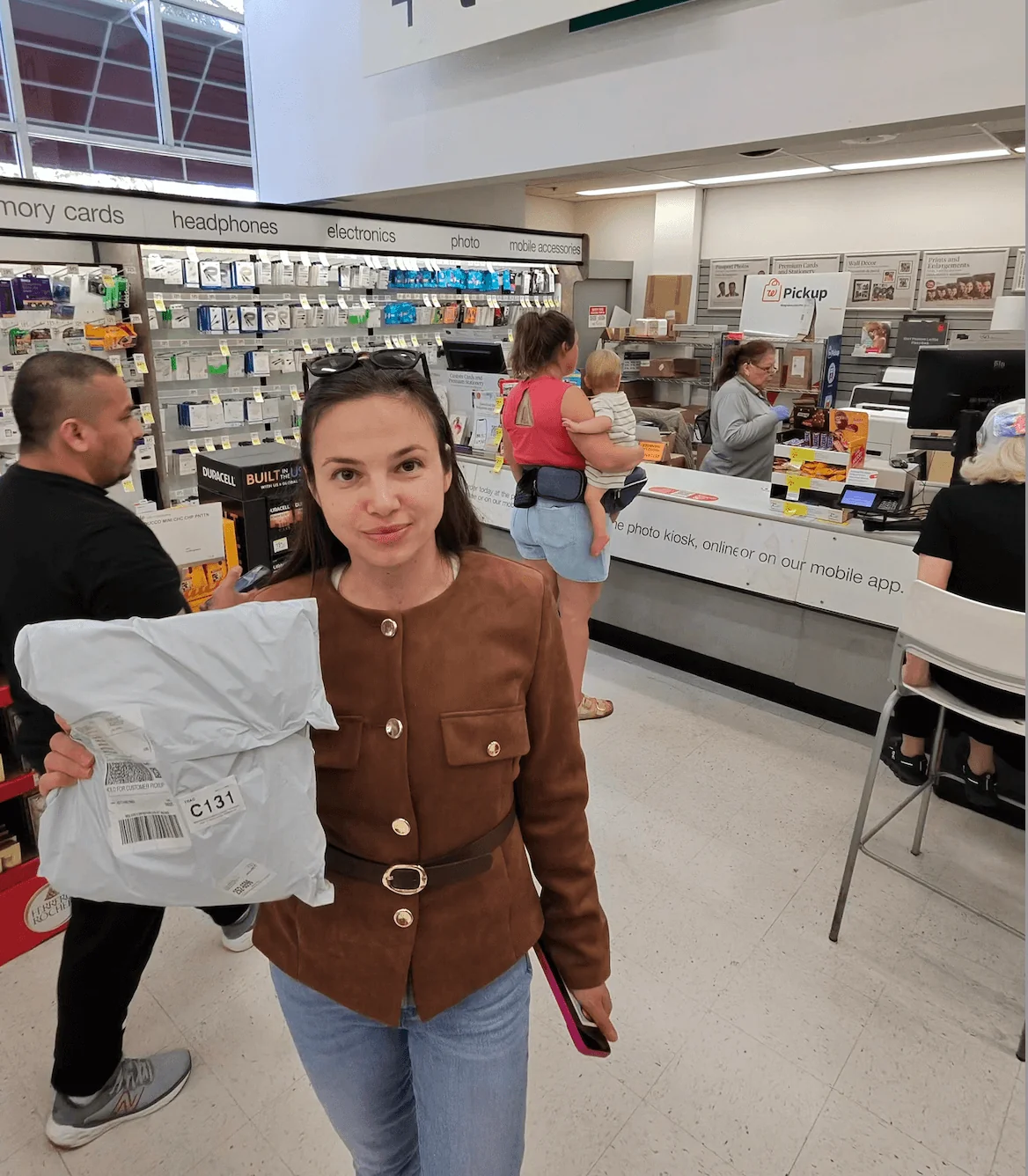
In a landscape increasingly defined by convenience and control, flexible delivery options are transforming the last mile. Among them, “Hold at Location” (HAL) services have rapidly gained popularity with consumers and retailers alike. By enabling packages to be held at designated pickup points—such as local stores, lockers, or partner retail locations—HAL is changing how people shop, receive, and manage deliveries in the United States.
Via.Delivery, a U.S.-based BOPA (Buy Online, Pickup Anywhere) logistics provider, is at the forefront of this shift. Their nationwide network of 36,000+ pickup points empowers eCommerce brands to offer “click-and-collect” options without owning brick-and-mortar real estate. For consumers seeking convenience, discretion, or package security, HAL represents a new standard in eCommerce flexibility.
Via.Delivery, a U.S.-based BOPA (Buy Online, Pickup Anywhere) logistics provider, is at the forefront of this shift. Their nationwide network of 36,000+ pickup points empowers eCommerce brands to offer “click-and-collect” options without owning brick-and-mortar real estate. For consumers seeking convenience, discretion, or package security, HAL represents a new standard in eCommerce flexibility.
Share:
The Rise of Pickup-First Logistics
Hold at Location services have become essential in the U.S. eCommerce landscape, driven by evolving consumer preferences and logistical challenges. According to a 2022 report by McKinsey, nearly 65% of online shoppers say they would choose alternative delivery options if offered—particularly if those options provide greater control or enhanced security.
HAL taps directly into this demand. Rather than having packages left at doorsteps—where they’re vulnerable to theft, weather, or missed deliveries—customers can collect orders at a nearby retail partner on their own schedule. It’s a model already proven in Europe, where pickup networks are deeply integrated into the eCommerce ecosystem.
In the U.S., via.Delivery is building the infrastructure to make that model scale. Their partnerships span convenience stores, pharmacies, supermarkets, and independent retailers, creating dense urban and suburban coverage. This allows retailers to offer pickup options even in regions where they don’t have physical locations—extending their reach and reducing shipping costs.
HAL taps directly into this demand. Rather than having packages left at doorsteps—where they’re vulnerable to theft, weather, or missed deliveries—customers can collect orders at a nearby retail partner on their own schedule. It’s a model already proven in Europe, where pickup networks are deeply integrated into the eCommerce ecosystem.
In the U.S., via.Delivery is building the infrastructure to make that model scale. Their partnerships span convenience stores, pharmacies, supermarkets, and independent retailers, creating dense urban and suburban coverage. This allows retailers to offer pickup options even in regions where they don’t have physical locations—extending their reach and reducing shipping costs.
Why Retailers Are Embracing Hold at Location
For online retailers, integrating HAL doesn’t just improve the customer experience—it also strengthens unit economics.
Packages held at a fixed location can often be consolidated for delivery, lowering last-mile costs. Since delivery windows are more flexible, carriers avoid costly failed delivery attempts. Additionally, the reduction in package theft (a growing concern in urban areas) translates into fewer support claims and replacements.
Retailers using via.Delivery’s HAL service have reported improved delivery success rates, higher customer satisfaction, and fewer “Where is my order?” (WISMO) support tickets. From a branding standpoint, offering HAL as a checkout option sends a message: we understand your lifestyle, and we’re building for your convenience.
Packages held at a fixed location can often be consolidated for delivery, lowering last-mile costs. Since delivery windows are more flexible, carriers avoid costly failed delivery attempts. Additionally, the reduction in package theft (a growing concern in urban areas) translates into fewer support claims and replacements.
Retailers using via.Delivery’s HAL service have reported improved delivery success rates, higher customer satisfaction, and fewer “Where is my order?” (WISMO) support tickets. From a branding standpoint, offering HAL as a checkout option sends a message: we understand your lifestyle, and we’re building for your convenience.
How Hold at Location Works
At its core, the process is simple:
- A customer shops online and selects a nearby pickup point at checkout (often presented via zip code or map interface).
- The retailer ships the package to the selected location, rather than to the customer’s home.
- Once delivered, the customer receives a pickup notification—typically by email or SMS.
- The package is held securely for several days (via.Delivery locations generally allow 5–7 days) until retrieved.
Who Benefits from HAL?
Consumers love HAL for its flexibility. Whether avoiding missed deliveries during work hours or preventing theft in shared housing situations, pickup offers peace of mind. It’s also increasingly used by consumers who travel often or manage multiple residences.
eCommerce brands benefit through better margins. Delivery to HAL points often avoids residential delivery surcharges and enables higher delivery density. With shipping costs rising in 2026, those savings compound fast.
Local businesses also win. Retailers who serve as pickup locations see additional foot traffic and ancillary sales. According to via.Delivery, over 40% of consumers who pick up a package make an in-store purchase—creating new revenue for participating partners.
eCommerce brands benefit through better margins. Delivery to HAL points often avoids residential delivery surcharges and enables higher delivery density. With shipping costs rising in 2026, those savings compound fast.
Local businesses also win. Retailers who serve as pickup locations see additional foot traffic and ancillary sales. According to via.Delivery, over 40% of consumers who pick up a package make an in-store purchase—creating new revenue for participating partners.
Privacy, Security, and Sustainability
In an era of increasing concern over privacy and package security, HAL offers clear advantages. Packages are not left on doorsteps. Delivery theft—“porch piracy”—is largely eliminated. And recipients no longer need to worry about coordinating schedules or finding a neighbor to receive a delivery.
There’s also an environmental angle. Fewer missed deliveries mean fewer repeated delivery attempts, reducing emissions and delivery miles. When integrated at scale, HAL has the potential to materially reduce the carbon footprint of the last mile.
There’s also an environmental angle. Fewer missed deliveries mean fewer repeated delivery attempts, reducing emissions and delivery miles. When integrated at scale, HAL has the potential to materially reduce the carbon footprint of the last mile.
Comparing Hold at Location with Traditional Delivery
| Feature | Home Delivery | Hold at Location (Via.Delivery) | |
|---|---|---|---|
| Delivery security | Vulnerable to theft or weather | Secure, attended locations | |
| Delivery attempts | Failed attempts are common | Guaranteed delivery | |
| Consumer control | Fixed schedule | Pick up at your convenience | |
| Environmental impact | Higher (more delivery miles) | Lower (consolidated delivery) | |
| Additional foot traffic | None | Yes (for partner locations) |
Where the Market Is Heading
HAL adoption is accelerating. In 2023, less than 10% of U.S. eCommerce orders used pickup options. By mid-2025, that figure had grown to over 18%, and it’s projected to exceed 25% by the end of 2026.
Leading brands—from DTC startups to major retailers—are experimenting with hybrid delivery strategies. Many are finding that offering a HAL option alongside traditional delivery reduces cart abandonment and increases customer satisfaction. For digitally native brands without stores, HAL becomes a powerful bridge to the physical world.
Leading brands—from DTC startups to major retailers—are experimenting with hybrid delivery strategies. Many are finding that offering a HAL option alongside traditional delivery reduces cart abandonment and increases customer satisfaction. For digitally native brands without stores, HAL becomes a powerful bridge to the physical world.
Real-World Use Case: Direct-to-Consumer Footwear Brand
A DTC footwear brand integrated via.Delivery’s HAL service in early 2025. Initially skeptical, they launched in two metro areas: Atlanta and Denver. Within three months, over 14% of orders in those zones were using HAL. The company reported a 9% drop in WISMO tickets and a 22% reduction in last-mile costs. More tellingly, 38% of customers who used the HAL option once used it again within two months.
As a result, the brand expanded its HAL offering nationwide and is now exploring branded pickup experiences inside partner stores.
As a result, the brand expanded its HAL offering nationwide and is now exploring branded pickup experiences inside partner stores.
Real-World Use Case: Online Wine Retailers
Few industries benefit from Hold at Location services as clearly as online wine and alcohol retailers. These merchants face a unique logistical challenge: their products often require adult signature at delivery, which can lead to missed drop-offs, frustrated customers, and added operational costs.
By integrating Via.Delivery’s Hold at Location network, online wine shops are seeing dramatic improvements in fulfillment efficiency and customer satisfaction. Instead of coordinating delivery times or relying on customers to be home, wine shipments are directed to secure, staffed pickup points—many with extended hours and convenient neighborhood access.
This shift has real impact. One midsize wine retailer, operating in five western states, adopted Via.Delivery in 2025 to streamline their adult-signature fulfillment. Within 60 days, over 22% of orders were being routed through the pickup network. Customer support tickets related to delivery dropped by 37%, and chargebacks for failed deliveries fell to nearly zero. Even better: customers using the HAL option reported higher satisfaction scores and were 25% more likely to reorder within 90 days.
The model aligns perfectly with the habits of modern wine buyers—urban professionals, frequent travelers, and gift purchasers—who value convenience, privacy, and control over their deliveries. Instead of waiting at home or coordinating with a neighbor, they pick up their order at a local pharmacy, boutique grocery store, or specialty shop, on their own schedule.
For regulated goods like alcohol, via.Delivery also ensures age-verification compliance at pickup, helping retailers meet legal requirements while keeping the process smooth for customers.
In an industry where failed deliveries hurt margins and reputations, Hold at Location is proving to be a strategic edge.
By integrating Via.Delivery’s Hold at Location network, online wine shops are seeing dramatic improvements in fulfillment efficiency and customer satisfaction. Instead of coordinating delivery times or relying on customers to be home, wine shipments are directed to secure, staffed pickup points—many with extended hours and convenient neighborhood access.
This shift has real impact. One midsize wine retailer, operating in five western states, adopted Via.Delivery in 2025 to streamline their adult-signature fulfillment. Within 60 days, over 22% of orders were being routed through the pickup network. Customer support tickets related to delivery dropped by 37%, and chargebacks for failed deliveries fell to nearly zero. Even better: customers using the HAL option reported higher satisfaction scores and were 25% more likely to reorder within 90 days.
The model aligns perfectly with the habits of modern wine buyers—urban professionals, frequent travelers, and gift purchasers—who value convenience, privacy, and control over their deliveries. Instead of waiting at home or coordinating with a neighbor, they pick up their order at a local pharmacy, boutique grocery store, or specialty shop, on their own schedule.
For regulated goods like alcohol, via.Delivery also ensures age-verification compliance at pickup, helping retailers meet legal requirements while keeping the process smooth for customers.
In an industry where failed deliveries hurt margins and reputations, Hold at Location is proving to be a strategic edge.
How to Get Started
For retailers interested in offering Hold at Location, via.Delivery provides several onboarding paths:
No major operational changes are required. Merchants ship to via.Delivery’s consolidated addresses, and the service handles the rest—including customer notifications, pickup verification, and location quality control.
- A Shopify app for instant deployment
- APIs for custom integrations
- A merchant dashboard to monitor usage, metrics, and customer behavior
No major operational changes are required. Merchants ship to via.Delivery’s consolidated addresses, and the service handles the rest—including customer notifications, pickup verification, and location quality control.
Final Thoughts
Hold at Location is no longer a niche logistics feature. It’s an emerging standard for flexible, consumer-centric eCommerce. As customer expectations continue to evolve, brands that embrace pickup-first strategies will find themselves better positioned—both operationally and financially.
With a growing network, seamless integrations, and proven consumer demand, Via.Delivery is helping eCommerce enter the next era: one where the last mile isn’t just faster, but smarter, safer, and more sustainable.
With a growing network, seamless integrations, and proven consumer demand, Via.Delivery is helping eCommerce enter the next era: one where the last mile isn’t just faster, but smarter, safer, and more sustainable.