





The Future of Anti-Theft Packaging: Trends for 2026
Published
Key Takeaways
- Rapid e-commerce growth between 2020–2025 has driven a surge in package theft, forcing brands to fundamentally rethink their packaging strategies heading into 2026.
- Anti-theft packaging is shifting from heavy locks and hard cases toward smarter, lighter, and more sustainable designs using sensors, serialized codes, and tamper-evident materials.
- By 2026, effective anti-theft strategies combine packaging, data, and delivery models such as commercial pickup points to prevent porch piracy before it happens.
- Retailers using integrated anti-theft packaging and alternative delivery options can cut theft-related losses and customer complaints by double-digit percentages.
- Via.Delivery’s Buy pick up locations solution complements anti-theft packaging by eliminating unattended residential drop-offs entirely.
Share:
Introduction: Why Anti-Theft Packaging Matters in 2026
Between 2019 and 2025, global parcel volume more than doubled. What followed was predictable: porch piracy and in-transit theft exploded in parallel. Thieves adapted faster than many retailers, and the consequences showed up in claim rates, customer complaints, and eroding brand trust.
In markets like the US and UK, consumer surveys from 2024–2025 reported that roughly 1 in 4 online shoppers had experienced package theft at least once. That statistic alone should concern any e-commerce business shipping direct to consumers.
By 2026, retailers face mounting pressure from both regulators and customers to protect shipments—without exploding shipping costs or abandoning sustainability goals. The challenge isn’t just adding more security; it’s adding smarter security that integrates with the entire supply chain.
This article focuses on anti-theft packaging trends for 2026, written specifically for e-commerce operations, logistics, and packaging decision-makers. We’ll cover what’s working, what’s emerging, and how forward-thinking brands are combining packaging innovation with delivery solutions to stay ahead of theft.
In markets like the US and UK, consumer surveys from 2024–2025 reported that roughly 1 in 4 online shoppers had experienced package theft at least once. That statistic alone should concern any e-commerce business shipping direct to consumers.
By 2026, retailers face mounting pressure from both regulators and customers to protect shipments—without exploding shipping costs or abandoning sustainability goals. The challenge isn’t just adding more security; it’s adding smarter security that integrates with the entire supply chain.
This article focuses on anti-theft packaging trends for 2026, written specifically for e-commerce operations, logistics, and packaging decision-makers. We’ll cover what’s working, what’s emerging, and how forward-thinking brands are combining packaging innovation with delivery solutions to stay ahead of theft.
What Is Anti-Theft Packaging?
Anti-theft packaging refers to packaging specifically engineered to deter theft, enable rapid detection of tampering, and reduce the resale value of stolen goods. It’s not a single product—it’s a strategy that spans materials, technology, and design choices.
Concrete examples include:
It’s important to differentiate between two primary contexts:
Concrete examples include:
- Tamper-evident seals that visibly distort when opened
- RF or radio frequency identification (RFID) capable labels
- Serialized barcodes linking each package to order records
- Covert security printing and microtext
- Branded “plain box” strategies that conceal high-value contents
It’s important to differentiate between two primary contexts:
| Context | Examples | Primary Goal | |
|---|---|---|---|
| Retail-shelf anti-theft | Clamshell blisters, security tags, ink tags | Prevent shoplifting in retail stores | |
| E-commerce / parcel anti-theft | Reinforced mailers, smart labels, secure return tape | Protect goods during last mile delivery |
Anti-theft packaging fits into broader loss-prevention programs that include insurance, real time tracking, and alternative delivery options like lockers and commercial pickup points. By 2026, “anti-theft” encompasses both physical protection and data-enabled visibility through the entire last mile journey.
The Current Theft Landscape in E-commerce and Last-Mile Delivery
The data tells a clear story. US claims data from 2022–2024 shows billions of dollars in annual losses from parcel theft and damage combined. This isn’t a minor operational nuisance—it’s a significant cost center that affects every part of the business.
Key theft scenarios include:
Here’s what makes this particularly challenging: last mile delivery typically makes up around 50–55% of total cost in freight and shipping, and it’s also the most vulnerable segment for theft. The final step from distribution center to door is where packages spend the most unsupervised time.
Flexible delivery preferences—evening deliveries, unattended drops, leaving packages at the door—increase convenience but also increase risk when not paired with anti-theft packaging or secure delivery locations. Traditional responses like signature requirements and ID checks can reduce theft, but they also increase failed delivery rates and create friction that frustrates customers.
Key theft scenarios include:
- Porch piracy: Packages stolen from residential doorsteps, often within minutes of delivery
- Lobby and mailroom theft: Opportunistic theft in apartment buildings with poor access control
- In-transit theft: Losses during consolidation, sorting, or driver handoff in the supply chain
Here’s what makes this particularly challenging: last mile delivery typically makes up around 50–55% of total cost in freight and shipping, and it’s also the most vulnerable segment for theft. The final step from distribution center to door is where packages spend the most unsupervised time.
Flexible delivery preferences—evening deliveries, unattended drops, leaving packages at the door—increase convenience but also increase risk when not paired with anti-theft packaging or secure delivery locations. Traditional responses like signature requirements and ID checks can reduce theft, but they also increase failed delivery rates and create friction that frustrates customers.
Core Principles of Effective Anti-Theft Packaging
Before diving into specific trends, it helps to understand the framework that guides all effective anti-theft packaging systems. Regardless of industry or product category, good anti-theft packaging addresses five core principles:
By 2026, most leading retailers try to balance these principles with sustainability requirements and customer expectations around the unboxing experience. The rest of this article details how these principles show up in new materials, designs, and new technologies.
- Deterrence: Packaging that looks difficult or risky to steal. This includes clear tamper indicators, bold warnings, and unique IDs that suggest traceability.
- Detection: Fast, visible evidence of tampering through broken tapes, seals, or shattered indicators. The goal is immediate transparency—both for the recipient and the company investigating a claim.
- Delay: Making unauthorized access slow or noisy enough to discourage opportunistic theft without frustrating legitimate customers opening their purchase.
- Traceability: Unique serialization and trackable identifiers that link packaging to shipment and customer records, enabling clear chain-of-custody documentation.
- Discretion: Using low-profile outer packaging that does not reveal brand or product category. A plain brown carton for electronics or luxury goods removes the visual trigger for theft.
By 2026, most leading retailers try to balance these principles with sustainability requirements and customer expectations around the unboxing experience. The rest of this article details how these principles show up in new materials, designs, and new technologies.
Trend 1: Smarter Tamper-Evident and Tamper-Resistant Designs
Tamper-evident solutions have existed for decades—the pharmaceutical industry adopted them widely in the 1980s. But these solutions are being re-engineered for e-commerce parcels by 2026, with significant improvements in both effectiveness and usability.
Design directions gaining traction include:
Real-world applications look like this:
Design directions gaining traction include:
- Multi-layer closure systems combining hot-melt glue lines, fiber-reinforced tapes, and one-way tear strips that make clean re-sealing nearly impossible
- Color-change or pattern-distortion seals that permanently deform when lifted or re-applied, making tampering obvious even to untrained eyes
- Perforation patterns that force cartons or mailers to rip in a clearly visible way when opened, eliminating the possibility of covert access
Real-world applications look like this:
- Electronics shipped in rigid mailers with dual tamper-evident tapes and interior branded sleeves
- Cosmetics brands using paperboard mailers with embedded, destructible security labels at closure points
- High-value accessories in envelopes with sequential numbering that matches the shipping label
Trend 2: Serialization, Track-and-Trace, and Digital Authentication
Serialization is emerging as a central trend for 2026. Every shippable unit—or at least every parcel—carries a unique, scannable identity tied to the order record. This creates supply chain management capabilities that extend far beyond theft prevention.
The technologies driving this include:
These identifiers enable several critical functions:
The technologies driving this include:
- Serialized 1D/2D barcodes printed on cartons and labels
- QR codes that customers can scan to confirm authenticity and delivery history
- EPC-compliant RFID tags for categories like apparel, high-end electronics, and healthcare products
These identifiers enable several critical functions:
| Function | Benefit | |
|---|---|---|
| Chain-of-custody verification | Carriers and merchants verify each scan point in transit | |
| Faster investigations | When a package is reported missing or tampered, data pinpoints where breaks occurred | |
| Automated exception alerts | Systems flag when scans break expected patterns—wrong route, unexpected delay, missing scan |
Brands in 2026 increasingly combine visible codes with covert security printing or microtext. This makes it harder for thieves to replace labels or clone packaging without detection. The process of authentication becomes verifiable by anyone with a smartphone.
Use cases span multiple sectors:
The adoption of these technologies is accelerating as providers offer more accessible solutions for mid-market merchants, not just enterprise operations.
Use cases span multiple sectors:
- Fashion brands embedding QR codes that link to authentication portals and care instructions
- Consumer electronics companies using serialized labels that match internal IMEI or serial numbers
- Pharmaceutical manufacturers complying with regulations requiring full track-and-trace from manufacturing to delivery
The adoption of these technologies is accelerating as providers offer more accessible solutions for mid-market merchants, not just enterprise operations.
Trend 3: Smart Sensors and Connected Packaging
By 2026, connected packaging remains more common for high-value or regulated goods due to cost constraints. However, prices for sensors and connectivity continue to fall, expanding accessibility to more product categories.
Specific sensor and IoT solutions gaining traction include:
Data from these devices gets captured through multiple channels:
The benefits for retailers extend beyond theft prevention:
Cost and privacy remain considerations. Not every parcel justifies electronics integration. Merchants must also comply with data protection rules when linking sensor IDs to customer data. But for high-value inventory, the return on investment in reduced losses often justifies the technology spend.
Specific sensor and IoT solutions gaining traction include:
- Single-use Bluetooth Low Energy (BLE) beacons attached inside cartons for high-value shipments
- Shock and tilt indicators for fragile items like TVs, monitors, or lab equipment
- Light-exposure indicators that show if a box was opened in transit—condition monitoring that provides clear evidence of tampering
Data from these devices gets captured through multiple channels:
- Scans by warehouse staff and drivers with smartphones
- Gateways in depots that capture passing tags automatically
- Customer mobile apps that confirm delivery and deactivate the device
The benefits for retailers extend beyond theft prevention:
- Using impact indicators to prove when damage occurred and assign responsibility to the correct party in the supply chain
- Luxury brands integrating NFC into packaging so customers can tap with a phone to validate authenticity and register warranties
- Driving transparency in claims processes with objective sensor data
Cost and privacy remain considerations. Not every parcel justifies electronics integration. Merchants must also comply with data protection rules when linking sensor IDs to customer data. But for high-value inventory, the return on investment in reduced losses often justifies the technology spend.
Trend 4: Discreet and De-Identified Outer Packaging
Conspicuous branded boxes can be a theft magnet for certain categories. By 2026, many merchants use “stealth” or “no logo” shipping for high-risk SKUs—sacrificing some marketing visibility for significantly better security.
Concrete examples include:
Concrete examples include:
- Consumer electronics shipped in unbranded corrugate, with product branding only on interior packaging
- Jewelry and luxury items shipped in small, nondescript mailers or generic carrier boxes with no category hints
- Gaming consoles using plain outer cartons that reveal nothing about the high-value contents inside
| Concern | Solution | |
|---|---|---|
| Marketing teams lose exposure | Additional messaging inside the package preserves brand experience through high-quality inserts and printed interiors | |
| Customer recognition | Order confirmation emails and tracking pages communicate what to expect | |
| Carrier handling | Plain boxes often receive less “special attention” that can attract internal theft |
Some marketplaces and carriers in 2025–2026 already default to plain outer boxes for high-value goods as part of standard service tiers. This represents industry recognition that discretion is a legitimate security tool.
Trend 5: Balancing Anti-Theft Features with Sustainability Goals
From 2023–2025, many brands pledged measurable packaging sustainability targets for 2025–2030. These commitments strongly shape how companies approach anti-theft packaging by 2026—creating tension that requires creative solutions.
Specific tensions include:
Sustainable anti-theft tactics emerging in 2026:
Regulatory and market pressure continues to intensify:
In 2026, competitive brands design for “secure, smart, and sustainable” packaging simultaneously. These aren’t competing goals—they’re integrated requirements that shape every packaging decision.
Specific tensions include:
- Traditional plastic clamshells versus fiber-based, recyclable alternatives with integrated tamper bands
- Adding more materials (locks, inserts, foam) versus lightweight designs that still resist tampering
- The environmental impact of single-use electronic sensors versus reusable or biodegradable options
Sustainable anti-theft tactics emerging in 2026:
- Using mono-material paperboard or corrugated packs with built-in locking tabs instead of plastic ties
- Designing packages to be right-sized for the product, leaving less empty space vulnerable to slash-and-grab theft
- Employing water-based, destructible adhesives and vegetable-based inks for security printing
Regulatory and market pressure continues to intensify:
- EU packaging and packaging waste regulations tightened after 2024, requiring manufacturers to demonstrate recyclability
- Large marketplaces impose packaging standards for recyclability and minimal void fill as conditions for participation
- Consumers increasingly factor sustainability into purchase decisions, making wasteful packaging a brand liability
In 2026, competitive brands design for “secure, smart, and sustainable” packaging simultaneously. These aren’t competing goals—they’re integrated requirements that shape every packaging decision.
Trend 6: Shifting Risk Away from the Porch – Secure Pickup and Alternative Delivery Locations
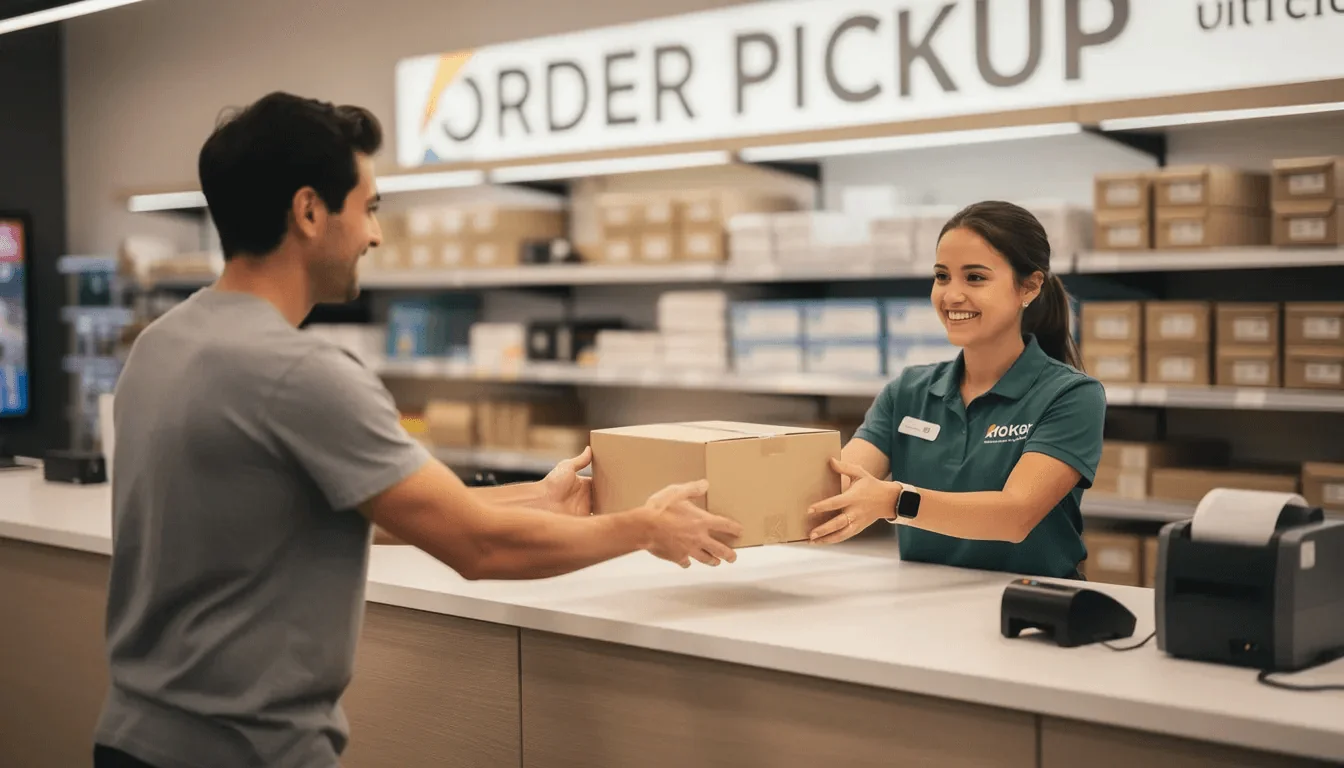
The most effective anti-theft strategy is often the simplest: avoid leaving parcels unattended at residential addresses entirely. This approach eliminates porch piracy at the source rather than trying to prevent it after the package arrives.
The rise of alternative delivery options between 2020 and 2025 created new possibilities:
Secure pickup locations typically offer several advantages:
Real-world applications demonstrate the value:
This approach is complementary to anti-theft packaging. Even when parcels use secure materials and tamper-evident features, moving the final handoff into a monitored location dramatically reduces theft risk and insurance costs. The combination of smart packaging and secure destinations creates layered security that addresses the full range of theft scenarios.
Traffic congestion in urban areas also makes commercial pickup points more efficient for carriers, reducing the operational efficiencies lost to failed residential deliveries and re-delivery attempts.
The rise of alternative delivery options between 2020 and 2025 created new possibilities:
- Carrier-operated parcel lockers in urban centers and transit hubs
- Click-and-collect from retail stores and convenience shops
- Third-party pickup networks aggregating traffic from many e-commerce brands
Secure pickup locations typically offer several advantages:
- Indoor, staffed environments with CCTV and controlled access hours
- Scannable pickup codes or photo ID verification before handover
- Short-term storage that reduces exposure time and opportunities for theft
Real-world applications demonstrate the value:
- A DTC apparel brand routing a portion of 2025 holiday orders to convenience store pickup points to cut porch piracy in high-risk ZIP codes
- Electronics sellers offering lockers or pickup counters as default for orders above a given value threshold
- Luxury goods companies requiring signature at commercial locations rather than residential door delivery
This approach is complementary to anti-theft packaging. Even when parcels use secure materials and tamper-evident features, moving the final handoff into a monitored location dramatically reduces theft risk and insurance costs. The combination of smart packaging and secure destinations creates layered security that addresses the full range of theft scenarios.
Traffic congestion in urban areas also makes commercial pickup points more efficient for carriers, reducing the operational efficiencies lost to failed residential deliveries and re-delivery attempts.
How Anti-Theft Packaging Impacts Costs, Operations, and Customer Experience
Adding anti-theft features affects per-unit packaging cost, handling time, and SKU complexity. But the total cost calculation must include what you save: reduced shrinkage, fewer replacement shipments, lower support overhead, and improved customer trust.
Operational factors to consider:
Operational factors to consider:
| Factor | Impact | |
|---|---|---|
| Additional packing steps | Applying seals, scanning serialized codes, activating sensors adds seconds per order | |
| Staff training | Packers and warehouse users need to correctly apply and check anti-tamper features | |
| System integration | New packaging SKUs require updates to WMS/OMS and forecasting tools | |
| Inventory management | Multiple packaging tiers for different risk levels increase complexity |
Customer experience considerations matter equally:
Consider a practical scenario: a mid-sized Shopify brand selling electronics accessories implements tamper-evident mailers and serialized labels at an additional $0.35 per order. Their theft claim rate drops from 2.1% to 0.8% over six months. At an average order value of $85, the math clearly favors the packaging investment.
By 2026, decision-making often involves A/B testing different packaging formats on specific routes or product cohorts to measure net impact before full rollout.
- Packages must still be reasonably easy to open without tools once delivered
- Excessive plastic or obviously “security-heavy” designs can feel unfriendly or wasteful
- Clear communication in order confirmation emails and tracking pages builds customer expectations appropriately
Consider a practical scenario: a mid-sized Shopify brand selling electronics accessories implements tamper-evident mailers and serialized labels at an additional $0.35 per order. Their theft claim rate drops from 2.1% to 0.8% over six months. At an average order value of $85, the math clearly favors the packaging investment.
By 2026, decision-making often involves A/B testing different packaging formats on specific routes or product cohorts to measure net impact before full rollout.
Planning Your Anti-Theft Packaging Strategy for 2026
Designing or upgrading your anti-theft packaging program requires a structured approach. Here’s a practical framework for the next 12–24 months:
Step 1: Assess current loss data
Step 2: Segment products into risk tiers
Step 3: Match packaging tactics to risk levels
Step 1: Assess current loss data
- Analyze theft and damage claims by product type, region, and carrier
- Identify hotspots where losses concentrate
- Calculate current cost of theft including replacements, refunds, and customer service time
Step 2: Segment products into risk tiers
- Low risk: Bulk items, low resale value, minimal theft history
- Medium risk: Moderate value items with some theft exposure
- High risk: Electronics, luxury goods, high-resale items in dense urban areas
Step 3: Match packaging tactics to risk levels
| Risk Tier | Recommended Tactics | |
|---|---|---|
| Low | Standard tamper-evident tape, basic barcodes | |
| Medium | Reinforced mailers, serialized labels, discreet branding | |
| High | Multi-layer closures, RFID, sensors, plain outer packaging, alternative delivery locations |
Step 4: Pilot before scaling Test new materials or designs on specific SKUs or geographic regions. Measure theft rates, damage claims, and customer feedback over one or two quarters before expanding.
Best practices for cross-functional alignment:
Budgeting guidance:
Best practices for cross-functional alignment:
- Involve operations, procurement, sustainability, and marketing in packaging decisions
- Coordinate with carriers to understand scanning, handling, and label-placement requirements
- Document clear access protocols for investigating claims using new serialization data
Budgeting guidance:
- Treat anti-theft packaging as part of a broader “cost of delivery guarantee” or customer experience budget
- Consider shared cost models with carriers and insurance providers when theft data improves
- Review anti-theft packaging annually, as criminal behavior adapts and new materials become commercially viable
How Via.Delivery Supports Theft Prevention Beyond Packaging
Via.Delivery is a B2B logistics technology company focused on pick up locations services for e-commerce brands. The platform helps retailers integrate secure delivery alternatives directly into their checkout experience.
The Via.Delivery network includes:
How BOPA complements anti-theft packaging:
The Via.Delivery network includes:
- Over 36,000 commercial pickup locations across the US
- Locations such as convenience stores, parcel shops, and other staffed retail outlets
- Integration with platforms like Shopify and ShipStation through checkout plugins, APIs, and label tools
How BOPA complements anti-theft packaging:
| Challenge | Via.Delivery Solution | |
|---|---|---|
| Porch piracy at residential addresses | Orders ship to secure, commercial addresses with staffed handoff | |
| Mis-deliveries to wrong person | ID or code verification before package release | |
| Extended exposure time after “delivered” status | Short storage windows and branded notifications encourage quick pickup |
Technical capabilities that support integration:
The approach addresses the reality that even the best anti-theft packaging can’t fully protect a package sitting unattended on a porch for hours. Shifting the delivery destination to a monitored commercial location eliminates that vulnerability entirely.
- Checkout plugins add pickup locations as a delivery option without complex development
- APIs and label management integrate with existing shipping workflows
- Branded notifications guide customers to pick up parcels quickly, reducing storage time and theft risk
The approach addresses the reality that even the best anti-theft packaging can’t fully protect a package sitting unattended on a porch for hours. Shifting the delivery destination to a monitored commercial location eliminates that vulnerability entirely.
FAQ
The following questions address practical concerns not fully covered in the main article.
What types of products benefit most from anti-theft packaging?
High-value, high-resale, and easily concealable products see the greatest benefit from enhanced anti-theft packaging. This includes smartphones, gaming consoles, branded apparel, cosmetics, pharmaceuticals, and small electronics accessories. Lower-value items shipped in bulk may still use simpler tamper-evident measures but usually don’t justify advanced sensors or serialization per unit.
How can smaller e-commerce brands afford anti-theft packaging upgrades?
Smaller brands can start with low-cost measures: stronger tamper-evident tapes, discreet outer packaging, and unique barcodes on shipping labels. These don’t require investment in full IoT solutions. Test new packaging on your highest-risk SKUs or regions first, measure theft and claim rates over one or two quarters, and reinvest the savings into more advanced solutions as the data supports it.
Does anti-theft packaging slow down warehouse operations?
Adding new seals, labels, or scanning steps can initially slow packing lines until staff are trained and workflows adjusted. Many brands offset this by standardizing a small number of secure packaging formats, pre-applying some components upstream, and integrating scans into existing WMS workflows. The long-term impact on speed and throughput is typically minimal once processes stabilize.
How does anti-theft packaging interact with insurance and carrier claims?
Clearer tamper evidence, serialization, and sensor data make it easier to identify where losses occurred, which can speed up claims and reduce disputes with carriers. Over time, lower claim rates and better-documented chain-of-custody can improve a merchant’s risk profile and potentially reduce insurance premiums or carrier surcharges.
Can anti-theft packaging be used together with Via.Delivery’s pickup solution?
Yes, combining secure packaging with Via.Delivery’s commercial pickup locations is particularly effective. Parcels arrive at staffed, monitored sites already equipped with scannable labels and tamper-evident closures. This combination protects goods in transit and dramatically reduces porch piracy risk, while still offering customers flexible, low-cost delivery options at checkout.