





Protecting Your Brand Image: When a Stolen Package Becomes Your Problem
Published
Key Takeaways
Package theft has exploded since 2020, with porch piracy rates hitting approximately 1 in 6 U.S. deliveries by 2024. This isn’t just a carrier problem—it’s a brand reputation problem that directly shapes how shoppers judge your business.
- Consumers blame retailers, not UPS, FedEx, or USPS, when packages go missing. Each theft becomes a potential 1-star review, chargeback, and lost customer.
- The average stolen package costs merchants far more than the product value alone—factoring in replacements, expedited reshipping, support time, and reputation damage.
- Brands need a combined strategy: proactive delivery choices, transparent communication, and clear stolen-package policies to protect their image.
- Alternative delivery solutions reduce theft exposure by routing orders to secure commercial locations instead of vulnerable porches.
- Data-driven approaches help identify high-risk ZIP codes and product categories, allowing merchants to stay ahead of theft trends before they escalate.
Share:
What Is Brand Reputation in E‑Commerce Logistics?
Brand reputation in ecommerce represents the cumulative perception that customers, employees, partners, and the broader public hold about your company. This perception forms through every interaction—from the first ad click to the final delivery and any returns that follow. For online retailers, reputation isn’t built solely on product quality or pricing; it’s shaped by the entire customer lifecycle, including experiences that happen long after the “Buy Now” button is clicked.
In logistics-heavy ecommerce, post-purchase experiences now weigh as heavily on reputation as your company’s products themselves. Tracking accuracy, delivery reliability, unboxing quality, and problem resolution all contribute to how consumers perceive your brand. Research shows that 81% of consumers require trust in a brand before making a purchase, making reputation a core business driver rather than a peripheral marketing concern.
Consider a D2C apparel brand that maintained consistently positive product reviews but saw their Trustpilot score drop after a spike in delivery complaints during peak season. Customers loved the clothing—they just couldn’t rely on actually receiving it. That disconnect between product satisfaction and delivery frustration damaged overall brand perception.
It’s important to distinguish brand reputation from customer service. Customer service is one touchpoint—a single interaction that can strengthen or weaken perception. Brand reputation is the long-term, aggregate view that forms across hundreds or thousands of those touchpoints. A support team can resolve one stolen-package complaint beautifully, but if theft incidents keep happening without prevention efforts, the brand still suffers.
For logistics-heavy brands, three pillars define reputation management: delivery reliability, clarity about delivery options at checkout, and fairness in handling lost or stolen items. Miss any of these, and you create openings for competitors to position themselves as more trustworthy alternatives.
In logistics-heavy ecommerce, post-purchase experiences now weigh as heavily on reputation as your company’s products themselves. Tracking accuracy, delivery reliability, unboxing quality, and problem resolution all contribute to how consumers perceive your brand. Research shows that 81% of consumers require trust in a brand before making a purchase, making reputation a core business driver rather than a peripheral marketing concern.
Consider a D2C apparel brand that maintained consistently positive product reviews but saw their Trustpilot score drop after a spike in delivery complaints during peak season. Customers loved the clothing—they just couldn’t rely on actually receiving it. That disconnect between product satisfaction and delivery frustration damaged overall brand perception.
It’s important to distinguish brand reputation from customer service. Customer service is one touchpoint—a single interaction that can strengthen or weaken perception. Brand reputation is the long-term, aggregate view that forms across hundreds or thousands of those touchpoints. A support team can resolve one stolen-package complaint beautifully, but if theft incidents keep happening without prevention efforts, the brand still suffers.
For logistics-heavy brands, three pillars define reputation management: delivery reliability, clarity about delivery options at checkout, and fairness in handling lost or stolen items. Miss any of these, and you create openings for competitors to position themselves as more trustworthy alternatives.
Why Stolen Packages Damage Brand Reputation (Even When It’s Not Your Fault)
While carriers physically deliver parcels, customers almost universally hold merchants responsible for anything that goes wrong after payment. The brand name is what customers remember—not the carrier logo on the truck.
Here’s how attribution works psychologically:
The scale of the problem is substantial. Porch piracy claims rose approximately 30% in 2025, with total losses estimated at $20 billion annually. Urban areas see theft rates as high as 25%, and the average stolen package represents not just product cost but replacement shipping, support time, and potential chargeback fees.
The reputational fallout from repeated theft incidents compounds quickly:
Example 1: A cosmetics brand faced a challenging holiday season when porch thefts in several metropolitan areas forced them to write off thousands in reshipments. Support tickets tripled, and their response time metrics—usually a point of pride—suffered as agents scrambled to manage the volume.
Example 2: A small electronics merchant with a small team found themselves overwhelmed by “my package was stolen” support tickets after expanding into urban markets. What started as a few incidents per week became a daily operational burden that consumed resources needed for developing new products and marketing efforts.
Stolen-package management is a brand strategy issue, not just an operations or fraud problem. Ignoring it means accepting ongoing damage to the perception that drives customer loyalty and profitability.
Here’s how attribution works psychologically:
- Customers associate the purchase with “where they bought it,” not which company dropped it off
- Disappointment and frustration attach to the brand name on the receipt and confirmation email
- When seeking resolution, customers contact the retailer first, making you the face of the problem
- Social media complaints and reviews tag the brand, not the carrier, making negative experiences visible to future shoppers
The scale of the problem is substantial. Porch piracy claims rose approximately 30% in 2025, with total losses estimated at $20 billion annually. Urban areas see theft rates as high as 25%, and the average stolen package represents not just product cost but replacement shipping, support time, and potential chargeback fees.
The reputational fallout from repeated theft incidents compounds quickly:
- Negative reviews appear on Google, Amazon, and Shopify storefronts, visible to every future buyer
- Social media complaints can go viral, with a single angry post reaching thousands
- Chargebacks increase as frustrated customers dispute charges for items never received
- Repeat purchases decline as customers lose confidence in delivery reliability
- Customer acquisition costs rise as negative word-of-mouth spreads
Example 1: A cosmetics brand faced a challenging holiday season when porch thefts in several metropolitan areas forced them to write off thousands in reshipments. Support tickets tripled, and their response time metrics—usually a point of pride—suffered as agents scrambled to manage the volume.
Example 2: A small electronics merchant with a small team found themselves overwhelmed by “my package was stolen” support tickets after expanding into urban markets. What started as a few incidents per week became a daily operational burden that consumed resources needed for developing new products and marketing efforts.
Stolen-package management is a brand strategy issue, not just an operations or fraud problem. Ignoring it means accepting ongoing damage to the perception that drives customer loyalty and profitability.
From “Porch Piracy” to Public Backlash: How Theft Shows Up in Customer Experience
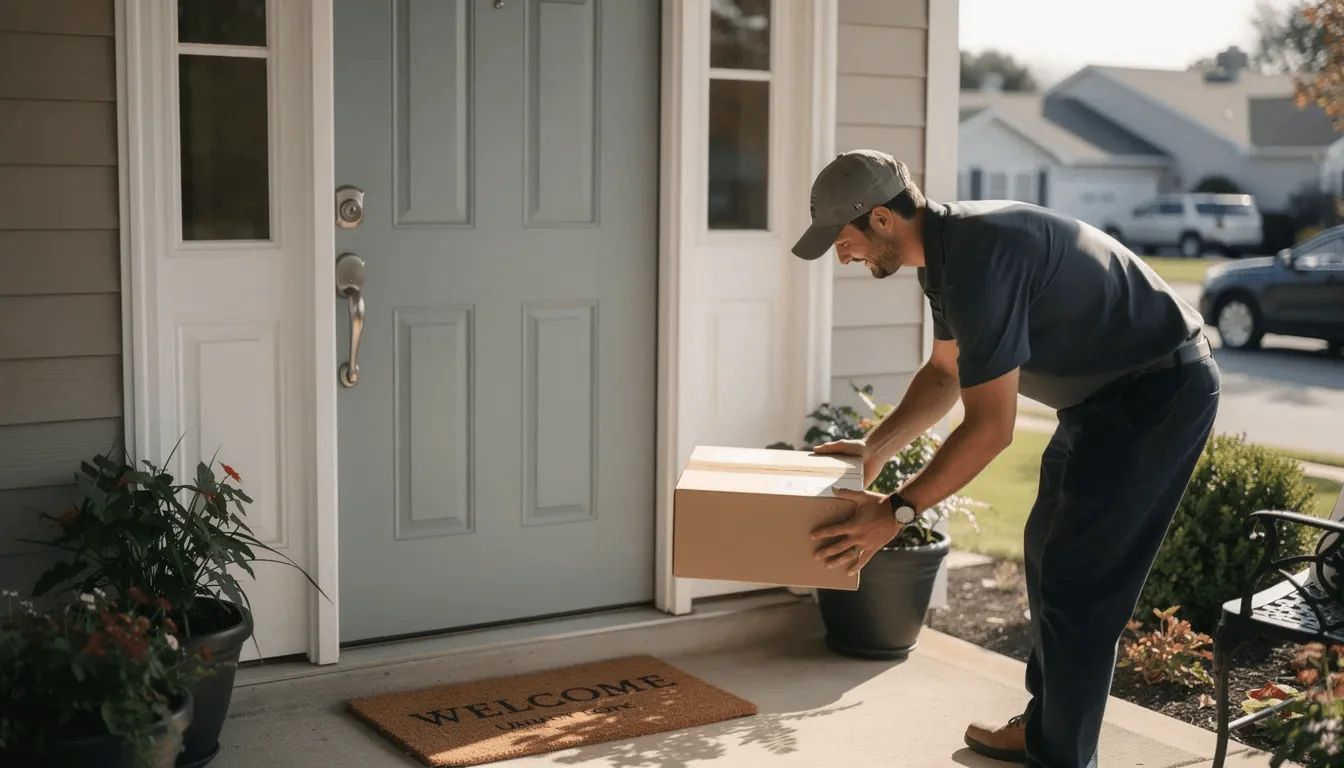
Porch piracy refers to the theft of packages left at residential doorsteps after carrier delivery. Home deliveries are especially vulnerable in dense urban areas with high foot traffic and in suburban neighborhoods where packages sit unattended for hours while residents work.
The typical stolen-package journey unfolds predictably:
This journey often produces 1-star reviews with language like “never received my order” or “company wouldn’t replace stolen package”—reviews that are visible to every future shopper browsing your site or marketplace listings.
Marketplaces like Amazon and Etsy, along with platforms like Shopify, surface delivery-related reviews alongside product reviews. A five-star review for product quality sits next to a one-star review about a poor experience with delivery. Future buyers see both, and the negative delivery feedback bleeds into overall brand ratings.
Real review language examples you might encounter:
“Ordered $200 sneakers for my son’s birthday. Package marked delivered but never arrived. Company offered store credit instead of replacement. Never ordering again.”
“Bought school supplies before the semester. Package stolen from my apartment lobby. Support took a week to respond. Kids started school without their supplies.”
Brands must design the post-purchase customer experience—including theft scenarios—to avoid these predictable pitfalls. Waiting for problems to occur and then reacting isn’t a strategy; it’s a recipe for accumulating negative reviews that drag down conversion rates and attract competitors’ attention.
The typical stolen-package journey unfolds predictably:
- Customer tracks shipment and sees “Delivered” status in their account
- Customer arrives home to find nothing at the doorstep
- Customer contacts carrier, receives limited help and generic responses
- Customer escalates to the retailer, expecting a fix
- Retailer’s response (or lack thereof) determines the customer’s final impression
- Customer leaves a review based on that final interaction, not the product quality
This journey often produces 1-star reviews with language like “never received my order” or “company wouldn’t replace stolen package”—reviews that are visible to every future shopper browsing your site or marketplace listings.
Marketplaces like Amazon and Etsy, along with platforms like Shopify, surface delivery-related reviews alongside product reviews. A five-star review for product quality sits next to a one-star review about a poor experience with delivery. Future buyers see both, and the negative delivery feedback bleeds into overall brand ratings.
Real review language examples you might encounter:
“Ordered $200 sneakers for my son’s birthday. Package marked delivered but never arrived. Company offered store credit instead of replacement. Never ordering again.”
“Bought school supplies before the semester. Package stolen from my apartment lobby. Support took a week to respond. Kids started school without their supplies.”
Brands must design the post-purchase customer experience—including theft scenarios—to avoid these predictable pitfalls. Waiting for problems to occur and then reacting isn’t a strategy; it’s a recipe for accumulating negative reviews that drag down conversion rates and attract competitors’ attention.
The Cost of Ignoring Stolen Packages: Financial, Operational, and Legal Risks
Ignoring or downplaying theft can quietly erode margins, stress support teams, and create legal exposure—especially when promises about delivery security are vague or misleading. Many merchants don’t track these costs separately, which masks how much stolen packages truly impact profitability.
Direct financial costs:
Operational burdens:
Potential legal and compliance concerns:
Consider this scenario: A mid-sized e-commerce brand ships 10,000 orders per month with a 1% theft rate at an average order value of $70. That’s $7,000 per month in direct losses before factoring in support costs, replacement shipping, and reputation damage. Over a year, that’s $84,000—enough to fund significant prevention efforts or hire additional team members.
These costs connect directly to long-term brand equity, not just short-term P&L impact. Every stolen package represents a customer whose experience ended badly, reducing the likelihood of repeat purchases and positive word-of-mouth that would otherwise attract new customers.
Direct financial costs:
- Replacement shipments at full product cost plus additional shipping fees
- Expedited shipping for re-orders when customers need items urgently
- Refunds when replacements aren’t practical or inventory is depleted
- Increased support workload consuming agent hours
- Higher chargeback risk and associated fees from payment processors
Operational burdens:
- Manual investigations coordinating with carriers who have limited visibility
- Repetitive “where is my order?” (WISMO) tickets that clog support queues
- Lack of clear internal rules on when to reship versus deny claims
- Inconsistent handling that leads to customer complaints about unfair treatment
Potential legal and compliance concerns:
- Advertising “safe delivery” without adequate safeguards could attract regulatory attention
- Unclear terms about risk transfer after delivery scan create disputes
- Inconsistent policy enforcement may generate consumer complaints
- State consumer protection laws vary on delivery responsibility
Consider this scenario: A mid-sized e-commerce brand ships 10,000 orders per month with a 1% theft rate at an average order value of $70. That’s $7,000 per month in direct losses before factoring in support costs, replacement shipping, and reputation damage. Over a year, that’s $84,000—enough to fund significant prevention efforts or hire additional team members.
These costs connect directly to long-term brand equity, not just short-term P&L impact. Every stolen package represents a customer whose experience ended badly, reducing the likelihood of repeat purchases and positive word-of-mouth that would otherwise attract new customers.
Building a Stolen-Package Policy That Protects Both Customers and Your Brand
A clear, published stolen-package policy sets expectations, empowers support employees, and signals that the brand takes customer experience seriously. Without documented guidelines, agents make inconsistent decisions that create confusion and feed perceptions of unfairness.
Key components your policy should include:
Tone and placement recommendations:
Internal playbook elements:
Sample phrases like this one can reinforce empathy while setting boundaries. The goal is protecting brand image by being consistently fair—treating similar cases similarly. When customers sense inconsistency, they share those experiences publicly, creating the exact reputation damage you’re trying to avoid.
Key components your policy should include:
- Definition of “delivered but missing” versus “lost in transit” (different scenarios require different responses)
- Time window for reporting stolen packages (typically 7–14 days of carrier “Delivered” scan)
- Documentation customers must provide (photos of delivery area, police report optional for high-value orders)
- Default remedies: replacement, store credit, or partial refund based on order value
- One-time courtesy replacement limits per household per year
- Geographic or order-value thresholds that trigger stricter review
- Clear statement of how repeat incidents at the same address will be handled
Tone and placement recommendations:
- Use customer-friendly language, not legal jargon
- Create a dedicated “Shipping & Stolen Packages” page on your site
- Include a brief summary at checkout so customers know before buying
- Reference the policy in order confirmation emails
Internal playbook elements:
- Scripted email responses for common scenarios
- Escalation rules for high-value or repeat incidents
- Criteria for no-questions-asked replacements versus investigation required
- Flags for possible abuse patterns (multiple claims from same address or account)
Sample phrases like this one can reinforce empathy while setting boundaries. The goal is protecting brand image by being consistently fair—treating similar cases similarly. When customers sense inconsistency, they share those experiences publicly, creating the exact reputation damage you’re trying to avoid.
Proactive Prevention: Delivery Options That Reduce Theft Risk
Prevention is more powerful and cheaper than making things right after packages vanish—especially during peak seasons like November through December when theft rates spike and support teams are already stretched thin.
Common prevention tactics:
A network of commercial pick up locations as a prevention strategy:
Why alternative delivery locations are safer:
Example: A brand that routes all orders over $300 to pickup points by default in high-theft ZIP codes reduced claims significantly while actually improving customer satisfaction scores—customers appreciated the security concern.
Example: A merchant offering pickup at local grocery chains saw theft complaints drop while checkout conversion improved, as customers worried about home delivery now had a secure alternative.
Proactive delivery options link directly to higher customer confidence at checkout. When shoppers see secure options, they’re more likely to complete purchases—and less likely to experience the theft incidents that damage brand perception later.
Common prevention tactics:
- Signature-required deliveries for high-value orders (threshold varies by merchant)
- Delivery instructions fields allowing customers to specify secure locations
- Parcel lockers or store pickup options as alternatives to home delivery
- Flexible delivery windows when customers are likely to be home
- Address verification to catch potential issues before shipping
A network of commercial pick up locations as a prevention strategy:
- Customers choose commercial pickup points (pharmacies, convenience stores, parcel shops) instead of home addresses
- Works seamlessly with existing checkout flows when properly integrated
- Shifts delivery from vulnerable porches to staffed, secure locations
- Often reduces shipping costs for merchants and customers alike
Why alternative delivery locations are safer:
- Staffed locations during business hours provide accountability
- Secure back rooms and storage areas protect packages until pickup
- Surveillance cameras deter would-be thieves
- Consolidated carrier drop-offs reduce the number of exposed delivery moments
- Theft rates at commercial pickup points are dramatically lower than exposed porches
Example: A brand that routes all orders over $300 to pickup points by default in high-theft ZIP codes reduced claims significantly while actually improving customer satisfaction scores—customers appreciated the security concern.
Example: A merchant offering pickup at local grocery chains saw theft complaints drop while checkout conversion improved, as customers worried about home delivery now had a secure alternative.
Proactive delivery options link directly to higher customer confidence at checkout. When shoppers see secure options, they’re more likely to complete purchases—and less likely to experience the theft incidents that damage brand perception later.
Residential vs. Commercial Delivery: Why Where You Ship Shapes Brand Perception
The operational differences between residential and commercial deliveries directly impact theft risk and, consequently, brand reputation. Understanding these differences helps merchants make strategic decisions about delivery options.
Residential delivery challenges:
Commercial delivery advantages:
When residential delivery failures repeat, customers feel the brand is unreliable even if the carrier technically did their job. They may avoid reordering to that address, either shopping elsewhere or abandoning the category entirely. This erosion of trust doesn’t show up immediately in sales data but compounds over time as loyal customers drift away.
Enabling pickup at commercial locations through BOPA networks communicates that the brand is proactive about safety, convenience, and reliability. It signals that you’ve thought about the customer’s situation and provided solutions, not just shipped and hoped for the best.
Merchants should especially target “porch piracy hot spots” by ZIP code or historical incident data with promoted commercial pickup options. When a customer in a high-theft area sees “Secure pickup available near you,” they recognize the brand’s effort to protect their purchase.
Residential delivery challenges:
- Unattended porches where packages sit for hours
- Apartment mailrooms and package rooms with limited security
- Stolen parcels in multi-unit buildings where access is easy
- Lack of building staff or doormen in most locations
- Porch visibility from streets making packages easy targets for porch pirates
Commercial delivery advantages:
- Staffed counters with employees who receive and track packages
- Defined receiving hours that match store operating times
- Security cameras covering receiving and storage areas
- Sign-for procedures that create accountability
- Packages stored indoors until customer pickup
When residential delivery failures repeat, customers feel the brand is unreliable even if the carrier technically did their job. They may avoid reordering to that address, either shopping elsewhere or abandoning the category entirely. This erosion of trust doesn’t show up immediately in sales data but compounds over time as loyal customers drift away.
Enabling pickup at commercial locations through BOPA networks communicates that the brand is proactive about safety, convenience, and reliability. It signals that you’ve thought about the customer’s situation and provided solutions, not just shipped and hoped for the best.
Merchants should especially target “porch piracy hot spots” by ZIP code or historical incident data with promoted commercial pickup options. When a customer in a high-theft area sees “Secure pickup available near you,” they recognize the brand’s effort to protect their purchase.
Designing the Checkout Experience to Protect Your Reputation
Checkout is the best place to steer customers toward safer delivery options and set realistic expectations before problems occur. Smart checkout design prevents issues rather than just preparing to resolve them.
Key UX elements to implement:
Effective microcopy examples:
Present alternative delivery option as a premium convenience option rather than a cost-cutting measure. Frame it as “pick up on your schedule at a location that works for you” rather than “we don’t want to pay for home delivery.” This positioning supports rather than weakens brand perception.
A/B tests to consider:
Key UX elements to implement:
- Clear comparison between “Deliver to home” and “Pick up at a secure location”
- Cost savings for choosing pickup points (lower shipping fee can incentivize safer choices)
- Map-based selector showing nearby pickup spots by distance, hours, and accessibility
- Prominent display of pickup benefits (secure storage, flexible hours, no missed deliveries)
- Mobile-optimized pickup selection for smartphone shoppers
Effective microcopy examples:
- “Worried about porch theft? Choose a secure pickup point near you.”
- “Packages at pickup locations are stored safely until you’re ready.”
- “Over 36,000 secure locations to choose from.”
Present alternative delivery option as a premium convenience option rather than a cost-cutting measure. Frame it as “pick up on your schedule at a location that works for you” rather than “we don’t want to pay for home delivery.” This positioning supports rather than weakens brand perception.
A/B tests to consider:
- Different default options (home delivery vs. pickup first)
- Messaging highlighting security vs. speed vs. price savings
- Positioning pickup as eco-friendly (fewer stops, consolidated deliveries)
- Varying prominence of the pickup option based on ZIP code risk data
Communication Playbooks: How to Talk About Stolen or At-Risk Deliveries
How you communicate about delivery issues often matters more to brand perception than the issue itself. Tone, timing, and transparency determine whether a theft incident becomes a reputation crisis or a story about excellent customer care.
Pre-delivery messaging:
Post-delivery/stolen-package messaging:
Social media and public review responses:
“We’re sorry to hear your order may have been stolen. Here’s how we’ll help—please check your email for next steps and a special offer on your next order.”
Consistent, transparent communication can turn a negative theft incident into a positive experiences story about customer care. When prospective customers see how you handle problems in reviews and social media, they gain confidence that you’ll treat them fairly too, mitigating potential brand damage.
Pre-delivery messaging:
- Confirmation emails explaining where and how the package will be delivered
- Reminders for high-value shipments (day-before and day-of delivery alerts)
- Proactive prompts to switch to pickup locations if an address is flagged as high-risk
- Clear tracking links and expected delivery windows
Post-delivery/stolen-package messaging:
- Sympathetic acknowledgment: “We’re sorry to hear your order may have been stolen.”
- Clear explanation of next steps and timelines for resolution
- Reinforcement of any one-time courtesy replacement policy
- Gentle education about safer delivery options for future orders
- Follow-up confirmation when replacement ships or refund processes
Social media and public review responses:
- Stay calm and professional, avoiding defensive language
- Avoid blame-shifting to carriers, which looks like excuse-making
- Offer offline resolution channels (email, phone) to move conversations private
- Publicly reaffirm the brand’s commitment to safe delivery and customer satisfaction
- Thank customers for feedback, even when it’s negative
“We’re sorry to hear your order may have been stolen. Here’s how we’ll help—please check your email for next steps and a special offer on your next order.”
Consistent, transparent communication can turn a negative theft incident into a positive experiences story about customer care. When prospective customers see how you handle problems in reviews and social media, they gain confidence that you’ll treat them fairly too, mitigating potential brand damage.
Using Data to Spot Theft Trends and Protect Your Brand
Merchants should treat delivery data as an early-warning system for theft and brand-risk hotspots. Patterns emerge before they become crises—if you’re looking for them.
Key data points to monitor:
Build simple dashboards using your e-commerce platform analytics, BI tools, or custom reports to track these metrics monthly or weekly during peak seasons. The research doesn’t need to be complex—even a spreadsheet tracking incidents by ZIP code reveals actionable patterns.
Acting on insights:
Example: A brand noticed theft complaints in one metropolitan area tripled between November 2023 and January 2024. They piloted alternative-delivery-only shipping in those ZIPs and cut incidents by 60% while maintaining sales volume—customers adapted quickly to the secure alternative.
Data-driven adjustments reduce both direct losses and improve perception of reliability among affected existing customers. When someone in a high-theft area sees you’ve proactively offered secure pickup, they recognize the effort to protect their purchase.
Key data points to monitor:
- Frequency of “delivered but not received” tickets by ZIP code
- Incident rates by carrier and service level
- Theft rates by order value and product category
- Correlation between theft incidents and negative reviews or NPS drops
- Seasonal patterns (holiday spikes, summer vacation periods)
- Repeat incidents at specific addresses
Build simple dashboards using your e-commerce platform analytics, BI tools, or custom reports to track these metrics monthly or weekly during peak seasons. The research doesn’t need to be complex—even a spreadsheet tracking incidents by ZIP code reveals actionable patterns.
Acting on insights:
- Default high-risk ZIPs to pickup locations or require signature
- Enforce signature requirements for orders above certain price thresholds
- Negotiate with carriers or switch services for problem routes
- Adjust marketing to set appropriate delivery expectations in challenging areas
Example: A brand noticed theft complaints in one metropolitan area tripled between November 2023 and January 2024. They piloted alternative-delivery-only shipping in those ZIPs and cut incidents by 60% while maintaining sales volume—customers adapted quickly to the secure alternative.
Data-driven adjustments reduce both direct losses and improve perception of reliability among affected existing customers. When someone in a high-theft area sees you’ve proactively offered secure pickup, they recognize the effort to protect their purchase.
Operational Best Practices for Handling Stolen Packages
Clear internal processes reduce confusion, shorten resolution times, and keep experiences consistent across customers and support agents. Without documented workflows, each stolen-package case becomes an improvised negotiation.
Internal workflow steps:
Training needs:
Tools that support operational efficiency:
Day in the life example: An agent receives a stolen-package ticket at 9 AM. They verify the carrier shows “Delivered” yesterday at 2:47 PM with a photo showing the package on a porch. The customer’s address has no prior incidents. Following the playbook, the agent immediately approves a replacement shipment, sends a templated empathy message, and includes information about secure pickup options for future orders. Total handling time: 4 minutes. Customer satisfaction: preserved.
Smooth internal operations connect to lower customer effort scores and stronger brand trust. When resolution feels easy and fair, customers are more likely to give you another chance—and less likely to leave the negative reviews that damage your ability to attract new customers.
Internal workflow steps:
- Frontline agents log a “stolen package” case with standardized categorization
- Verification steps include checking carrier scans and GPS delivery data where available
- Documented conditions determine immediate replacement vs. further investigation
- Escalation paths clarify when to involve loss-prevention or fraud teams
- Resolution documentation tags orders for future risk analysis
- Follow-up confirms customer received replacement and is satisfied
- Feedback loop informs prevention strategy improvements
Training needs:
- Empathetic communication that acknowledges frustration without admitting fault
- Explaining policies clearly without sounding defensive or accusatory
- Offering alternative delivery options for future purchases as a value-add
- Recognizing patterns that might indicate fraud vs. genuine theft
Tools that support operational efficiency:
- CRM macros and templated responses for common scenarios
- Flagging system for repeat high-risk addresses
- Integration with order-tracking systems for quick verification
- Notes visible across tickets so customers don’t repeat their story
Day in the life example: An agent receives a stolen-package ticket at 9 AM. They verify the carrier shows “Delivered” yesterday at 2:47 PM with a photo showing the package on a porch. The customer’s address has no prior incidents. Following the playbook, the agent immediately approves a replacement shipment, sends a templated empathy message, and includes information about secure pickup options for future orders. Total handling time: 4 minutes. Customer satisfaction: preserved.
Smooth internal operations connect to lower customer effort scores and stronger brand trust. When resolution feels easy and fair, customers are more likely to give you another chance—and less likely to leave the negative reviews that damage your ability to attract new customers.
Long-Term Brand Strategy: Turning Safe Delivery into a Competitive Advantage
Brands that visibly protect shoppers from theft can differentiate themselves in crowded ecommerce categories. While competitors treat delivery as a commodity, forward-thinking merchants position secure delivery as a value proposition.
Positioning ideas:
Example taglines to adapt:
Measuring perception gains:
Incorporate safe-delivery commitments into your broader brand narrative around reliability, sustainability (fewer failed deliveries and reshipments reduce environmental impact), and customer respect. Corporate social responsibility increasingly includes how brands treat customers throughout the entire journey, not just at point of sale.
Customer expectations continue evolving. By 2025 and beyond, shoppers will increasingly expect brands to offer theft-prevention options as standard, not premium features. The organizations that stay ahead of these expectations build customer loyalty that competitors struggle to match through discounts alone.
Positioning ideas:
- Marketing messages around “secure, flexible delivery”
- Highlighting pickup-point options on homepages and product pages
- Customer stories about hassle-free replacements or secure pickups
- Email campaigns educating customers about delivery options
- Social proof showing low theft rates and high delivery satisfaction
Example taglines to adapt:
- “Order with confidence: pick up when and where it works for you.”
- “No more worrying about porch pirates—your package waits safely until you’re ready.”
- “Flexible delivery that fits your life and protects your purchase.”
Measuring perception gains:
- Improved ratings specifically mentioning “delivery” or “shipping”
- Higher repeat purchase rates from customers who use pickup points
- Reduced churn in high-theft regions after implementing secure options
- Support ticket volume trending downward as prevention works
- Net Promoter Score improvements tied to delivery satisfaction
Incorporate safe-delivery commitments into your broader brand narrative around reliability, sustainability (fewer failed deliveries and reshipments reduce environmental impact), and customer respect. Corporate social responsibility increasingly includes how brands treat customers throughout the entire journey, not just at point of sale.
Customer expectations continue evolving. By 2025 and beyond, shoppers will increasingly expect brands to offer theft-prevention options as standard, not premium features. The organizations that stay ahead of these expectations build customer loyalty that competitors struggle to match through discounts alone.
How Via.Delivery Helps You Prevent Theft and Protect Brand Reputation
Via.Delivery is a B2B SaaS logistics technology company focused on Buy Online, Pickup Anywhere (BOPA) for ecommerce retailers. The platform helps merchants integrate flexible, secure pickup options directly into their existing checkout workflows.
Core offering:
How this mitigates theft risk:
Reputational benefits for brands:
For D2C brands without physical stores, Via.Delivery offers a way to provide the security and convenience of in-store pickup without building your own retail footprint. The platform lowers shipping costs, prevents porch piracy, and safeguards brand image at scale—addressing the hard work of logistics while letting you focus on what you do best: selling great products and building customer relationships.
Core offering:
- Integration with e-commerce platforms like Shopify and tools like ShipStation
- Access to a network of 36,000+ commercial pickup locations across the U.S. and beyond
- Checkout plugins that let shoppers choose nearby pickup points instead of home delivery
- Label printing, order tracking, and notification tools tailored for pickup workflows
- APIs for custom integration with existing systems
- Consolidated support for managing pickup-based orders
How this mitigates theft risk:
- Deliveries go to secure commercial locations instead of exposed porches
- Parcels are stored indoors until customers present ID or pickup codes
- Staffed locations provide accountability that residential delivery lacks
- Fewer “delivered but stolen” incidents means fewer complaints and negative reviews
- Reduced shipping costs when routing to commercial addresses
Reputational benefits for brands:
- Being seen as proactive about protecting customer orders
- Offering flexible pickup hours and convenient locations near work, transit, or errands
- Reduced WISMO and stolen-package tickets freeing support for higher-value interactions
- More positive post-purchase feedback as delivery experiences improve
For D2C brands without physical stores, Via.Delivery offers a way to provide the security and convenience of in-store pickup without building your own retail footprint. The platform lowers shipping costs, prevents porch piracy, and safeguards brand image at scale—addressing the hard work of logistics while letting you focus on what you do best: selling great products and building customer relationships.
FAQ
These FAQs address common questions not fully covered above, focusing on practical concerns e-commerce leaders, brand managers, and operations teams may have about protecting their business from stolen-package incidents.
Are retailers legally responsible for stolen packages after the carrier marks them delivered?
Responsibility varies by jurisdiction and by the terms in your shipping policy and terms of service. Brands should consult legal counsel for specific guidance on their situation. However, regardless of technical legal responsibility, consumers typically hold the brand accountable in practice—which is why many merchants choose to offer courtesy replacements or credits even when not legally required. Clearly state in your policies what happens when packages are marked delivered but go missing, and avoid vague promises you can’t consistently honor. Offering secure alternatives like pickup locations reduces both legal and reputational exposure by preventing many theft incidents from occurring in the first place.
How many stolen-package incidents justify changing our delivery strategy?
Look at both absolute numbers and rates. A 0.2–0.5% theft rate might be manageable, while anything near or above 1% in a given region or product line warrants attention. Track trends over time (quarter over quarter) and correlate spikes with negative review volume or customer churn in affected ZIP codes. Pilot alternative options like mandatory pickup points or signatures for high-risk areas once patterns become clear, rather than waiting for widespread damage to brand ratings. Even a small number of highly visible public complaints on social media or review sites can justify faster action than raw incident rate alone might suggest.
What should we do if a customer’s address shows repeated theft incidents?
Implement a tiered approach: first incident gets a generous resolution, second triggers more detailed review, and third may require switching that customer to pickup or signature-required delivery only. Communicate changes clearly and respectfully, framing them as steps to protect the customer’s orders rather than suspicion or punishment. Log such addresses in internal systems so support agents see the history and follow consistent rules, reducing accusations of unfair treatment. Consider offering small incentives like discounted shipping for customers who agree to use secure pickup points for future orders.
How can small e-commerce brands afford to replace stolen packages without killing margins?
Set explicit caps—covering one courtesy replacement per customer per year or up to a certain order value (such as $150), with more verification required for higher-value claims. Bundle theft mitigation like VIa.Delivery solution, signatures, and address verification into your shipping strategy so total incident numbers remain low. Track replacement costs separately in financial reports to see whether preventive measures reduce spend over time. By routing at-risk deliveries to secure pickup networks like Via.Delivery’s commercial locations, small brands often reduce both replacement frequency and carrier-related expenses.
Does offering pickup locations hurt conversion because customers prefer home delivery?
When presented well, pickup options often increase conversion among customers worried about theft, missed deliveries, or building access issues—while home delivery remains available for those who prefer it. A/B test checkout designs with different defaults and messaging to see actual shopper behavior with your specific audience. Many consumers are already accustomed to BOPIS and third-party pickup lockers, so Buy Online, Pickup Anywhere tends to feel familiar rather than burdensome. Solutions like Via.Delivery let brands emphasize convenience (longer pickup hours, locations near work or transit) alongside security—often boosting customer confidence rather than reducing it.