





How to Use Secure Pickup to Gain a Competitive Edge in High-Crime Zips
Published
Key Takeaways
- High-crime ZIP codes (such as Los Angeles 90011, Chicago 60624, and Houston 77016) face significantly elevated package theft and delivery failure rates, creating costly challenges for e-commerce retailers.
- Offering secure pickup options can reduce theft, failed deliveries, and costly reships by double-digit percentages in these problem areas.
- Secure pickup in high risk zips boosts conversion rates, protects profit margins, and differentiates your brand from competitors who only ship to home addresses.
- Via.Delivery provides a nationwide network of over 36,000 retail pickup locations, plus plugins, APIs, tracking, and notification tools that make it simple to add secure pickup without overhauling your existing logistics.
Share:
Introduction: Why High-Risk Zips Matter More Than Ever
E-commerce has fundamentally changed how consumers shop, but the last mile delivery challenge remains stubbornly difficult in certain neighborhoods. High risk zips—ZIP codes with elevated crime rates, concentrated package theft, and frequent delivery failures—present a growing problem for online retailers. Areas like New York 11226, Atlanta 30318, San Francisco 94110, and similar dense urban neighborhoods see disproportionately high rates of porch piracy, failed delivery attempts, and customer complaints.
The numbers tell a stark story. Package theft reports in major metros have grown by double-digit percentages year over year since 2019, with some estimates suggesting that over 260 million packages were stolen nationally in recent years. In high-crime ZIP codes, the problem intensifies: multi-unit buildings without secure package rooms, busy street-level drop-offs with heavy foot traffic, and repeated failed delivery attempts all drive up costs and erode customer satisfaction.
For e-commerce retailers, the traditional response has been either to accept higher loss rates in these areas or to quietly avoid them altogether—adding surcharges, restricting shipping options, or even blacklisting certain ZIP codes. But there’s a better way. Secure pickup, where customers collect parcels from staffed commercial locations instead of receiving them at home, offers a strategic method to win in these challenging markets while protecting margins and delivering more value to shoppers who need reliable solutions.
Via.Delivery enables Buy Online, Pickup Anywhere for merchants without requiring them to overhaul their existing operations, connecting sellers to a network of secure pickup points across the country.
The numbers tell a stark story. Package theft reports in major metros have grown by double-digit percentages year over year since 2019, with some estimates suggesting that over 260 million packages were stolen nationally in recent years. In high-crime ZIP codes, the problem intensifies: multi-unit buildings without secure package rooms, busy street-level drop-offs with heavy foot traffic, and repeated failed delivery attempts all drive up costs and erode customer satisfaction.
For e-commerce retailers, the traditional response has been either to accept higher loss rates in these areas or to quietly avoid them altogether—adding surcharges, restricting shipping options, or even blacklisting certain ZIP codes. But there’s a better way. Secure pickup, where customers collect parcels from staffed commercial locations instead of receiving them at home, offers a strategic method to win in these challenging markets while protecting margins and delivering more value to shoppers who need reliable solutions.
Via.Delivery enables Buy Online, Pickup Anywhere for merchants without requiring them to overhaul their existing operations, connecting sellers to a network of secure pickup points across the country.
Understanding High-Risk ZIP Codes and Their Impact on E‑commerce
Carriers, insurers, and retailers define “high-risk” ZIP codes using a combination of crime indices, package theft reports, and delivery-failure data. These designations aren’t arbitrary—they reflect real patterns where shipments are more likely to disappear, get damaged, or require multiple delivery attempts before reaching the customer.
The specific pain points in these areas are well-documented. In multi-unit dwellings, packages left in unsecured lobbies become easy targets for theft. Building access issues lead to repeated missed attempts as drivers cannot reach apartment doors. Older buildings without doormen or secure package rooms force carriers to leave parcels in vulnerable locations. The data shows that porch piracy reports in large metros have grown significantly from 2019 through 2024, establishing urgency for retailers who ship to these areas.
The business impact is substantial. Retailers serving high-crime ZIP codes face higher refund and reship rates, increased customer service workload, and potential carrier surcharge exposure in ZIPs flagged as problem areas. For mid-ticket items in the $80 to $250 range, a single stolen package can wipe out the profit from multiple successful orders. Many merchants quietly exclude or upcharge high-crime ZIP codes, effectively ceding those customers to better-prepared competitors who have developed strategies for addressing these challenges.
The specific pain points in these areas are well-documented. In multi-unit dwellings, packages left in unsecured lobbies become easy targets for theft. Building access issues lead to repeated missed attempts as drivers cannot reach apartment doors. Older buildings without doormen or secure package rooms force carriers to leave parcels in vulnerable locations. The data shows that porch piracy reports in large metros have grown significantly from 2019 through 2024, establishing urgency for retailers who ship to these areas.
The business impact is substantial. Retailers serving high-crime ZIP codes face higher refund and reship rates, increased customer service workload, and potential carrier surcharge exposure in ZIPs flagged as problem areas. For mid-ticket items in the $80 to $250 range, a single stolen package can wipe out the profit from multiple successful orders. Many merchants quietly exclude or upcharge high-crime ZIP codes, effectively ceding those customers to better-prepared competitors who have developed strategies for addressing these challenges.
Why Traditional Home Delivery Fails in High-Crime Areas
Traditional residential delivery models were designed for suburban neighborhoods with private porches, low foot traffic, and customers often home during the day. These assumptions break down completely in high-crime urban areas, creating a cascade of problems that inflate costs and damage customer relationships.
Porch piracy remains the most visible failure mode. In neighborhoods like Los Angeles 90003 or Brooklyn 11207, packages left on stoops face high visibility from street traffic. Dense foot traffic means more potential thieves see the package, and the time window between delivery and customer retrieval creates opportunity for theft. Security cameras provide evidence but don’t prevent the loss itself.
Building-access complications create additional friction. Older multi-family buildings often lack secure package rooms, modern locker systems, or doormen who can receive deliveries. Carriers face a choice between leaving packages in unsecured common areas (where they frequently disappear) or marking the delivery as failed and triggering another attempt. Neither outcome serves the customer well.
Carrier constraints compound the problem. Major carriers increasingly mark certain zips as high-risk, resulting in requirements like “indirect signature required,” extended delivery windows, or direct surcharges. These measures increase the total landed cost per order through repeated attempts, claims processing, and lost inventory.
The customer-experience fallout is severe. Low NPS scores, negative reviews, social media complaints, and increased churn become concentrated in specific ZIP codes. Customers in these areas learn that online shopping comes with risk, and they either shop less frequently or seek out retailers who offer better solutions. Simply adding insurance doesn’t solve the problem—consumers care about getting the product safely the first time, not about filing claims after the fact.
Porch piracy remains the most visible failure mode. In neighborhoods like Los Angeles 90003 or Brooklyn 11207, packages left on stoops face high visibility from street traffic. Dense foot traffic means more potential thieves see the package, and the time window between delivery and customer retrieval creates opportunity for theft. Security cameras provide evidence but don’t prevent the loss itself.
Building-access complications create additional friction. Older multi-family buildings often lack secure package rooms, modern locker systems, or doormen who can receive deliveries. Carriers face a choice between leaving packages in unsecured common areas (where they frequently disappear) or marking the delivery as failed and triggering another attempt. Neither outcome serves the customer well.
Carrier constraints compound the problem. Major carriers increasingly mark certain zips as high-risk, resulting in requirements like “indirect signature required,” extended delivery windows, or direct surcharges. These measures increase the total landed cost per order through repeated attempts, claims processing, and lost inventory.
The customer-experience fallout is severe. Low NPS scores, negative reviews, social media complaints, and increased churn become concentrated in specific ZIP codes. Customers in these areas learn that online shopping comes with risk, and they either shop less frequently or seek out retailers who offer better solutions. Simply adding insurance doesn’t solve the problem—consumers care about getting the product safely the first time, not about filing claims after the fact.
What Secure Pickup Is and How It Works
Secure pickup represents a fundamental shift in how parcels reach customers in challenging delivery environments. Instead of attempting delivery to a residential address where theft or access issues are likely, packages are delivered to staffed commercial locations—convenience stores, parcel shops, pharmacies, and local retailers—where they are held securely until the customer collects them.
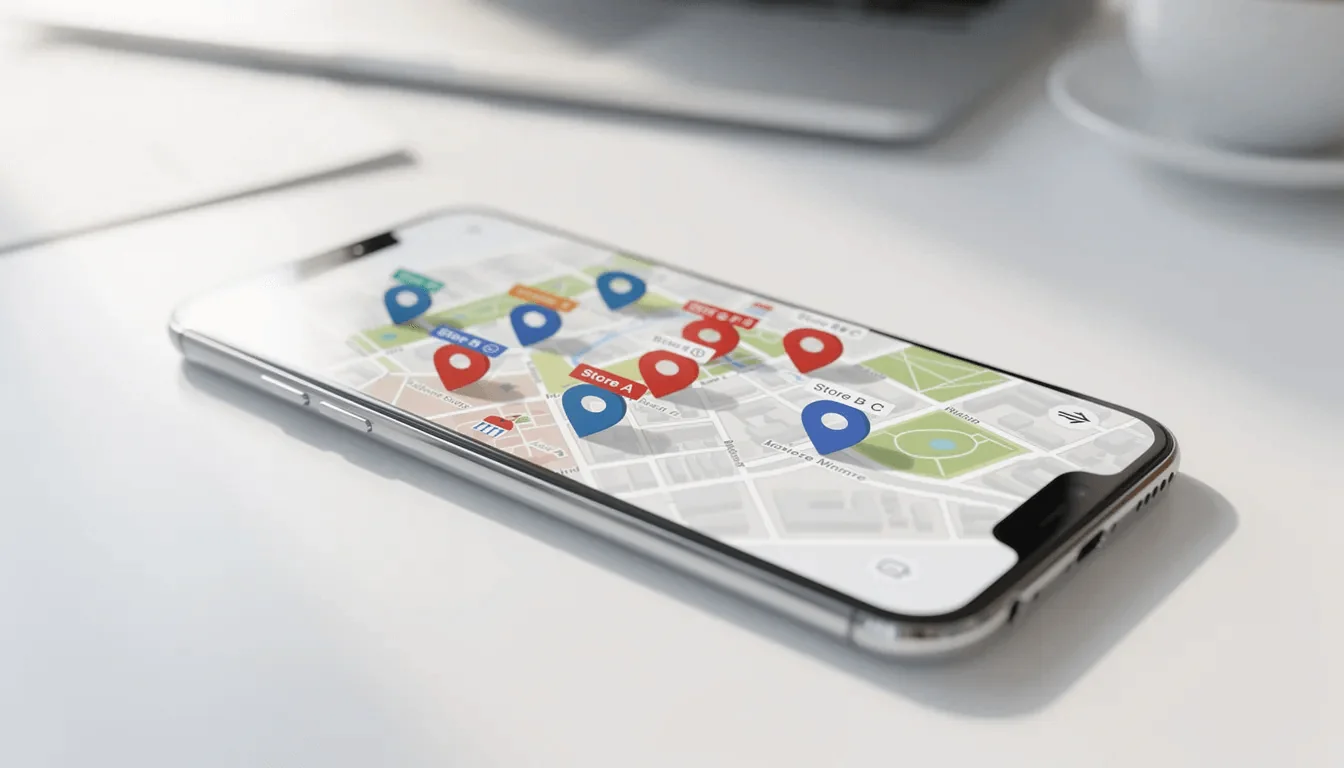
The Buy Online, Pickup Anywhere (BOPA) concept works like this: at checkout, customers see the option to select a nearby pickup point instead of their home address. They browse available locations on a map, choose the most convenient one based on distance, hours, and accessibility, and complete their purchase. When the order ships, the parcel routes to that commercial location. Upon arrival, the customer receives a notification that their order is ready for pickup, along with any necessary codes or instructions.
Security measures at pickup points typically include staffed counters during operating hours, ID verification where required, CCTV coverage, and dedicated storage areas with limited access.
Because carriers deliver in bulk to these commercial addresses, they avoid the stop-density problems that plague door-to-door delivery in high-crime neighborhoods. A single efficient stop replaces dozens of individual residential attempts.
Via.Delivery connects merchants to a network of over 36,000 U.S. pickup locations with technology that integrates into existing e-commerce workflows, making it possible to offer this capability without building custom infrastructure.
The Buy Online, Pickup Anywhere (BOPA) concept works like this: at checkout, customers see the option to select a nearby pickup point instead of their home address. They browse available locations on a map, choose the most convenient one based on distance, hours, and accessibility, and complete their purchase. When the order ships, the parcel routes to that commercial location. Upon arrival, the customer receives a notification that their order is ready for pickup, along with any necessary codes or instructions.
Security measures at pickup points typically include staffed counters during operating hours, ID verification where required, CCTV coverage, and dedicated storage areas with limited access.
Because carriers deliver in bulk to these commercial addresses, they avoid the stop-density problems that plague door-to-door delivery in high-crime neighborhoods. A single efficient stop replaces dozens of individual residential attempts.
Via.Delivery connects merchants to a network of over 36,000 U.S. pickup locations with technology that integrates into existing e-commerce workflows, making it possible to offer this capability without building custom infrastructure.
How Secure Pickup Creates a Competitive Edge in High-Risk Zips
Offering secure pickup in high-crime ZIP codes isn’t just a risk mitigation tactic—it’s a genuine competitive advantage that can drive customer satisfaction, protect margins, and open markets that competitors have abandoned.
The cost advantages are immediate and measurable. Fewer stolen packages and failed deliveries in ZIPs like Chicago 60623 and Houston 77033 directly reduce reship, refund, and support costs. When a package reaches a secure location and stays there until the customer picks it up, the entire category of theft-related losses disappears. For retailers seeing 5-10% loss rates in high-crime areas, this translates to meaningful margin recovery.
Reliable delivery becomes achievable in areas where it previously wasn’t. Secure pickup locations achieve near-100% first-attempt success rates because they’re staffed commercial addresses that are easy for carriers to serve. Compare this to home deliveries in the same ZIPs, where multiple attempts, “lost” statuses, and claim investigations are common. The seamless delivery experience that customers in high risk zips have been denied becomes accessible.
Competitive positioning shifts in your favor. Retailers who visibly offer secure pickup for high-risk ZIP codes can serve customers that competitors either surcharge or avoid entirely. When a shopper in a challenging neighborhood sees “Free secure pickup at a store near you” versus a competitor’s “$8.99 residential delivery surcharge,” the choice becomes obvious. You capture more customers by meeting them where they are.
Customer trust deepens in communities that need it most. Shoppers in high-crime neighborhoods are often more anxious about delivery because they’ve experienced theft or know someone who has. Giving them a safe, local option increases both conversion rates and repeat business. The psychological value of control over package security shouldn’t be underestimated.
Operational benefits extend beyond loss prevention. Consolidation to pickup points enables more predictable delivery windows and batch processing for carriers, easing strain on final mile operations. This can translate to faster overall transit times and reduced carrier friction.
Via.Delivery’s network lets even smaller DTC brands offer a level of flexibility in challenging ZIP codes that previously required significant brick-and-mortar investment.
The cost advantages are immediate and measurable. Fewer stolen packages and failed deliveries in ZIPs like Chicago 60623 and Houston 77033 directly reduce reship, refund, and support costs. When a package reaches a secure location and stays there until the customer picks it up, the entire category of theft-related losses disappears. For retailers seeing 5-10% loss rates in high-crime areas, this translates to meaningful margin recovery.
Reliable delivery becomes achievable in areas where it previously wasn’t. Secure pickup locations achieve near-100% first-attempt success rates because they’re staffed commercial addresses that are easy for carriers to serve. Compare this to home deliveries in the same ZIPs, where multiple attempts, “lost” statuses, and claim investigations are common. The seamless delivery experience that customers in high risk zips have been denied becomes accessible.
Competitive positioning shifts in your favor. Retailers who visibly offer secure pickup for high-risk ZIP codes can serve customers that competitors either surcharge or avoid entirely. When a shopper in a challenging neighborhood sees “Free secure pickup at a store near you” versus a competitor’s “$8.99 residential delivery surcharge,” the choice becomes obvious. You capture more customers by meeting them where they are.
Customer trust deepens in communities that need it most. Shoppers in high-crime neighborhoods are often more anxious about delivery because they’ve experienced theft or know someone who has. Giving them a safe, local option increases both conversion rates and repeat business. The psychological value of control over package security shouldn’t be underestimated.
Operational benefits extend beyond loss prevention. Consolidation to pickup points enables more predictable delivery windows and batch processing for carriers, easing strain on final mile operations. This can translate to faster overall transit times and reduced carrier friction.
Via.Delivery’s network lets even smaller DTC brands offer a level of flexibility in challenging ZIP codes that previously required significant brick-and-mortar investment.
Designing the Right Secure Pickup Experience at Checkout
The effectiveness of secure pickup depends heavily on how it’s presented to customers at the moment of purchase. A poorly designed checkout experience will leave the option undiscovered; a well-designed one makes secure pickup the obvious choice for shoppers in high-risk areas.
Placement matters. In the shipping selection phase of checkout, the pickup option should appear prominently—not buried below multiple residential delivery tiers. For high-risk ZIPs specifically, consider making secure pickup the default or first option, with home delivery as the alternative.
Use a map-based selector. Customers in dense zips like 90011 or 60647 benefit from seeing nearby pickup locations displayed on a map with addresses, operating hours, and distance. This allows them to quickly identify the most convenient point—whether it’s a store on their commute, near their workplace, or within walking distance of home.
Messaging should address the core concern directly. Language like “Secure pickup at local stores to avoid lost or stolen packages” resonates with customers who have experienced or fear porch piracy. Don’t be subtle about the benefit—shoppers in high-crime areas already know the risk and will appreciate a retailer who acknowledges it honestly.
Pricing strategy can accelerate adoption. Consider offering discounted or even free secure pickup compared to residential delivery in target zips. When secure pickup is both safer and cheaper, customers have every incentive to choose it. The cost savings from reduced theft and failed deliveries often more than offset any discount offered.
Placement matters. In the shipping selection phase of checkout, the pickup option should appear prominently—not buried below multiple residential delivery tiers. For high-risk ZIPs specifically, consider making secure pickup the default or first option, with home delivery as the alternative.
Use a map-based selector. Customers in dense zips like 90011 or 60647 benefit from seeing nearby pickup locations displayed on a map with addresses, operating hours, and distance. This allows them to quickly identify the most convenient point—whether it’s a store on their commute, near their workplace, or within walking distance of home.
Messaging should address the core concern directly. Language like “Secure pickup at local stores to avoid lost or stolen packages” resonates with customers who have experienced or fear porch piracy. Don’t be subtle about the benefit—shoppers in high-crime areas already know the risk and will appreciate a retailer who acknowledges it honestly.
Pricing strategy can accelerate adoption. Consider offering discounted or even free secure pickup compared to residential delivery in target zips. When secure pickup is both safer and cheaper, customers have every incentive to choose it. The cost savings from reduced theft and failed deliveries often more than offset any discount offered.
Operational Best Practices for Serving High-Crime ZIPs with Secure Pickup
Rolling out secure pickup effectively requires more than just enabling the technology. Thoughtful operational planning ensures that the experience delivers on its promise and that internal teams can manage the process efficiently.
Prioritize ZIP codes strategically. Use theft data, carrier surcharges, complaint logs, and delivery-failure reports from the past 12-24 months to identify which ZIPs should receive secure pickup first. Data analysis of your order history will reveal which geographic areas are driving disproportionate costs and customer dissatisfaction. Start with the worst 10-20 ZIP codes where the potential risks are highest.
Ensure adequate pickup-point density. In urban zips, customers should have multiple location options within 1-2 miles or along main transit corridors. Convenience is critical—if the nearest pickup point requires a 30-minute detour, adoption will suffer. Review the available network coverage before committing to a rollout in specific areas.
Set clear service-level expectations for pickup partners. Operating hours matter: locations open during evenings and weekends serve working customers better than those with limited hours. Secure storage space, reliable scanning for check-in and check-out events, and trained staff all contribute to the quality of the pickup experience.
Automate communication at every stage. Automated SMS and email alerts when parcels arrive at pickup points, reminders before storage deadlines, and easy access to pickup instructions and any required codes reduce friction and keep uncollected package rates low. The supply chain visibility that customers receive should match or exceed what they’d get with home delivery tracking.
Prioritize ZIP codes strategically. Use theft data, carrier surcharges, complaint logs, and delivery-failure reports from the past 12-24 months to identify which ZIPs should receive secure pickup first. Data analysis of your order history will reveal which geographic areas are driving disproportionate costs and customer dissatisfaction. Start with the worst 10-20 ZIP codes where the potential risks are highest.
Ensure adequate pickup-point density. In urban zips, customers should have multiple location options within 1-2 miles or along main transit corridors. Convenience is critical—if the nearest pickup point requires a 30-minute detour, adoption will suffer. Review the available network coverage before committing to a rollout in specific areas.
Set clear service-level expectations for pickup partners. Operating hours matter: locations open during evenings and weekends serve working customers better than those with limited hours. Secure storage space, reliable scanning for check-in and check-out events, and trained staff all contribute to the quality of the pickup experience.
Automate communication at every stage. Automated SMS and email alerts when parcels arrive at pickup points, reminders before storage deadlines, and easy access to pickup instructions and any required codes reduce friction and keep uncollected package rates low. The supply chain visibility that customers receive should match or exceed what they’d get with home delivery tracking.
Measuring ROI From Secure Pickup in High-Risk Zips
Like any operational investment, secure pickup should be evaluated rigorously. The good news is that the metrics are straightforward and the benefits often appear quickly.
Track loss and theft incidents by ZIP code. Compare reported lost/theft incidents in your high-crime ZIP codes before and after implementing secure pickup. A meaningful reduction validates the strategy and quantifies the savings from avoiding replacement shipments.
Monitor first-attempt delivery success rates. Secure pickup should show near-100% first-attempt success at staffed locations. If your home delivery in the same ZIPs was running at 70-80% first-attempt success, the improvement represents significant operational savings and customer experience gains.
Segment customer experience metrics. NPS, CSAT, review scores, and repeat purchase rates should be tracked specifically for high-crime ZIP codes. Improvement in these indicators confirms that customers notice and value the secure pickup option.
Calculate financial outcomes directly. Fewer replacement shipments mean lower COGS. Reduced support time per order frees up your experienced team for higher-value activities. Better margin preservation in historically unprofitable ZIP codes can transform red accounts into profitable ones.
Use pilot approaches to prove value. Run secure pickup as an optional or default option in a subset of high-risk ZIPs for 60-90 days and compare performance to control groups or historical baselines. This approach limits initial investment while generating the data needed to justify broader rollout.
Track loss and theft incidents by ZIP code. Compare reported lost/theft incidents in your high-crime ZIP codes before and after implementing secure pickup. A meaningful reduction validates the strategy and quantifies the savings from avoiding replacement shipments.
Monitor first-attempt delivery success rates. Secure pickup should show near-100% first-attempt success at staffed locations. If your home delivery in the same ZIPs was running at 70-80% first-attempt success, the improvement represents significant operational savings and customer experience gains.
Segment customer experience metrics. NPS, CSAT, review scores, and repeat purchase rates should be tracked specifically for high-crime ZIP codes. Improvement in these indicators confirms that customers notice and value the secure pickup option.
Calculate financial outcomes directly. Fewer replacement shipments mean lower COGS. Reduced support time per order frees up your experienced team for higher-value activities. Better margin preservation in historically unprofitable ZIP codes can transform red accounts into profitable ones.
Use pilot approaches to prove value. Run secure pickup as an optional or default option in a subset of high-risk ZIPs for 60-90 days and compare performance to control groups or historical baselines. This approach limits initial investment while generating the data needed to justify broader rollout.
Implementing Secure Pickup with Via.Delivery (Without Rebuilding Your Stack)
One of the most common objections to new logistics capabilities is implementation complexity. The concern is understandable—retailers have finely tuned operations, and the prospect of rebuilding checkout flows, carrier integrations, and tracking systems is daunting. Secure pickup via Via.Delivery specifically addresses this friction.
Merchants on platforms like Shopify, Commerce7, or custom carts can install Via.Delivery’s plugin or connect via API to expose the pickup network at checkout. The integration adds pickup-point selection to your existing checkout flow without requiring a redesign. Your brand, your checkout, your customer relationship—just with an additional delivery option.
When a customer selects a pickup point, Via.Delivery routes the label and instructions so parcels are directed to the correct commercial address. The process is transparent to your existing fulfillment workflow. You print a label, ship the package, and the network handles the rest.
Branded tracking pages and notifications ensure customers always know where their order is and when it’s ready for pickup. This visibility is especially valuable for shoppers in high-risk areas who may be anxious about their purchase until it’s safely in their hands.
Start with a targeted rollout in your most problematic 10-20 ZIP codes, then expand to a broader range of locations once benefits are proven. Via.Delivery complements rather than replaces your existing carriers and residential-delivery options, giving shoppers in difficult ZIPs more control over risk and convenience without limiting choices for customers elsewhere.
Merchants on platforms like Shopify, Commerce7, or custom carts can install Via.Delivery’s plugin or connect via API to expose the pickup network at checkout. The integration adds pickup-point selection to your existing checkout flow without requiring a redesign. Your brand, your checkout, your customer relationship—just with an additional delivery option.
When a customer selects a pickup point, Via.Delivery routes the label and instructions so parcels are directed to the correct commercial address. The process is transparent to your existing fulfillment workflow. You print a label, ship the package, and the network handles the rest.
Branded tracking pages and notifications ensure customers always know where their order is and when it’s ready for pickup. This visibility is especially valuable for shoppers in high-risk areas who may be anxious about their purchase until it’s safely in their hands.
Start with a targeted rollout in your most problematic 10-20 ZIP codes, then expand to a broader range of locations once benefits are proven. Via.Delivery complements rather than replaces your existing carriers and residential-delivery options, giving shoppers in difficult ZIPs more control over risk and convenience without limiting choices for customers elsewhere.
Future-Proofing Your High-Risk ZIP Strategy
Crime patterns and delivery challenges don’t stay static. Neighborhoods change, carrier policies evolve, and consumer expectations continue to rise. A forward-looking approach to high-risk ZIP strategy positions your company for success regardless of how the landscape shifts.
Crime patterns and high-risk designations change over time, requiring regular reevaluation of ZIP-level data and delivery strategies. A ZIP code that’s problematic today may improve, while new problem areas may emerge. Build the capability to monitor and adapt rather than treating your current high-risk list as permanent.
Consumer expectations increasingly favor flexible fulfillment options. Shoppers want choice—home delivery, secure pickup, lockers, in-store collection—and secure pickup forms a core part of that mix in dense urban markets. Brands that offer multiple different types of delivery methods will capture loyalty from customers who value convenience and control.
Treating secure pickup as a long-term capability rather than a temporary fix prepares you for carrier policy changes, new surcharges, or regulatory shifts. The retailers who have already established pickup infrastructure will adapt more easily than those scrambling to build it under pressure.
Via.Delivery continues to expand and refine its pickup network, helping merchants adapt as last mile delivery dynamics change across U.S. ZIP codes. The partnership provides access to ongoing innovation without requiring continuous internal development.
Crime patterns and high-risk designations change over time, requiring regular reevaluation of ZIP-level data and delivery strategies. A ZIP code that’s problematic today may improve, while new problem areas may emerge. Build the capability to monitor and adapt rather than treating your current high-risk list as permanent.
Consumer expectations increasingly favor flexible fulfillment options. Shoppers want choice—home delivery, secure pickup, lockers, in-store collection—and secure pickup forms a core part of that mix in dense urban markets. Brands that offer multiple different types of delivery methods will capture loyalty from customers who value convenience and control.
Treating secure pickup as a long-term capability rather than a temporary fix prepares you for carrier policy changes, new surcharges, or regulatory shifts. The retailers who have already established pickup infrastructure will adapt more easily than those scrambling to build it under pressure.
Via.Delivery continues to expand and refine its pickup network, helping merchants adapt as last mile delivery dynamics change across U.S. ZIP codes. The partnership provides access to ongoing innovation without requiring continuous internal development.
FAQ
The following questions address common concerns from e-commerce managers and operations leaders evaluating secure pickup for high-crime areas.
Do customers in high-crime ZIPs actually choose secure pickup over home delivery?
Adoption is typically strong when secure pickup is clearly labeled as safer and priced attractively. In ZIPs with high theft rates, a significant share of shoppers switch to pickup when offered, particularly when checkout messaging directly addresses the benefit: “Avoid stolen packages with secure pickup.” Clear communication increases selection rates, especially for orders shipping to dense urban neighborhoods where customers have experienced or witnessed delivery problems.
Via.Delivery’s data and tools can help merchants monitor adoption rates by ZIP code and optimize how options are presented to engage more customers effectively.
Via.Delivery’s data and tools can help merchants monitor adoption rates by ZIP code and optimize how options are presented to engage more customers effectively.
What happens if a customer never picks up their package?
Packages are typically held at the pickup point for a defined window—commonly 5-7 days—after which they’re returned or processed according to merchant rules. Automated reminders via SMS and email significantly reduce uncollected package rates by prompting customers before deadlines pass. Setting clear expectations on checkout and order-confirmation pages also helps. Via.Delivery supports standardized processes and notifications specifically designed to keep abandoned-package rates low, protecting your profits and merchandise.
Is secure pickup slower than standard home delivery?
In many high-risk ZIPs, secure pickup achieves comparable or even faster effective delivery times because it avoids the delays caused by repeat attempts, delivery exceptions, and claim investigations. Shipments travel through similar carrier networks but consolidate to reliable commercial addresses that carriers can serve efficiently. Via.Delivery routes parcels directly to pickup locations and sends immediate ready-for-pickup notifications, minimizing time from shipment to collection and delivering more value to time-sensitive consumers.
How do we handle customer support when something goes wrong at a pickup point?
Customers still contact your support team, but the information available—scan events, timestamps, pickup status—is richer and more precise than for doorstep deliveries. Issues like misrouted packages or delayed check-ins are easier to diagnose because every handoff is scanned at a staffed location. Via.Delivery provides tracking and event data that merchants can use to quickly resolve tickets without lengthy investigations involving multiple carriers and vendors.
Can secure pickup work for higher-value or signature-required items?
Many higher-value items can be shipped to secure pickup points, often with ID verification or code-based release instead of doorstep signatures. This approach can be safer than home delivery in high-crime ZIPs because parcels remain in a controlled environment until collected by the customer. Merchants can configure which SKUs or order values are eligible for pickup, and Via.Delivery can help align configuration with carrier and insurance requirements to protect both you and your clients.
Secure pickup in high risk zips isn’t just a workaround for delivery challenges—it’s a strategic capability that transforms problem areas into competitive advantages. By offering shoppers in challenging neighborhoods a safe, convenient alternative to vulnerable home delivery, retailers can cut costs, improve customer satisfaction, and capture sales that competitors leave on the table.
The retailers who act now will establish relationships with underserved customers while building operational capabilities that matter as e-commerce continues to grow. If you’re ready to explore how secure pickup can work for your shipping needs, contact Via.Delivery to learn how the network can integrate with your existing systems and help you achieve success in every ZIP code you serve.
The retailers who act now will establish relationships with underserved customers while building operational capabilities that matter as e-commerce continues to grow. If you’re ready to explore how secure pickup can work for your shipping needs, contact Via.Delivery to learn how the network can integrate with your existing systems and help you achieve success in every ZIP code you serve.