





How to Market “Theft-Proof Shipping” as a Premium Feature
Published
Key Takeaways
- With 1.7 million packages going missing daily in the U.S. and an average loss of $140 per stolen parcel, theft-proof shipping addresses a real, urgent customer pain point that traditional express delivery ignores.
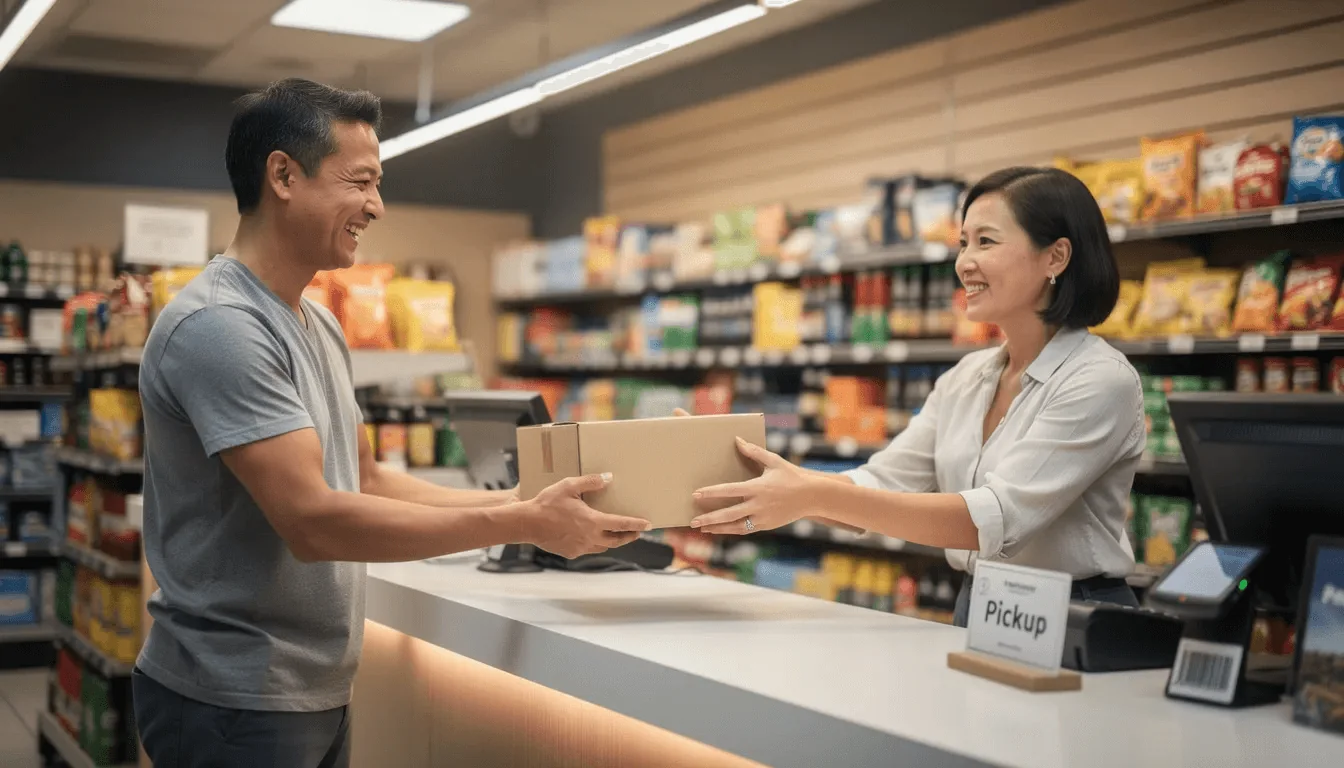
- Alternative delivery models enable merchants to offer secure commercial pickup points as a premium alternative to risky residential doorstep delivery—without building their own store network.
- Positioning theft-proof shipping as a premium checkout option can increase average order value and conversion rates while actually reducing your last-mile delivery costs.
- Effective marketing requires consistent messaging across the customer journey: from on-site banners and checkout labels to email campaigns and retargeting ads that emphasize peace of mind over speed.
- Tracking adoption rates, conversion lifts, and theft-related support tickets provides the data you need to prove ROI and refine your theft-proof shipping program over time.
Share:
Why “Theft-Proof Shipping” Belongs in Your Premium Shipping Strategy
Picture this: It’s Black Friday 2025, and your customer just ordered a $300 pair of wireless headphones. The delivery person drops the box on the porch at 2 PM. By the time your customer gets home at 6 PM, the package is gone. They file a claim, you ship a replacement, and your margins evaporate.
This scenario plays out roughly 1.7 million times every single day across the United States. According to recent data, approximately 19% of American households experience package theft annually, with the average value of stolen shipments hovering around $140. That’s not a minor inconvenience—it’s a systematic drain on e-commerce profitability and customer trust.
Here’s what many retailers miss: premium shipping is no longer just about speed. The New York Times and major logistics publications have documented how customers increasingly value certainty and security over shaving a day or two off transit time. When someone orders a gift for a birthday or purchases an expensive electronic device, their primary concern often isn’t “Will it arrive in 48 hours?” but rather “Will it arrive at all?”
Traditional premium shipping—expensive overnight or two-day air delivery—solves for speed but leaves packages sitting on unattended porches just as long as economy options. A truly premium experience in 2025 means guaranteed, theft-resistant outcomes.
This scenario plays out roughly 1.7 million times every single day across the United States. According to recent data, approximately 19% of American households experience package theft annually, with the average value of stolen shipments hovering around $140. That’s not a minor inconvenience—it’s a systematic drain on e-commerce profitability and customer trust.
Here’s what many retailers miss: premium shipping is no longer just about speed. The New York Times and major logistics publications have documented how customers increasingly value certainty and security over shaving a day or two off transit time. When someone orders a gift for a birthday or purchases an expensive electronic device, their primary concern often isn’t “Will it arrive in 48 hours?” but rather “Will it arrive at all?”
Traditional premium shipping—expensive overnight or two-day air delivery—solves for speed but leaves packages sitting on unattended porches just as long as economy options. A truly premium experience in 2025 means guaranteed, theft-resistant outcomes.
Defining “Theft-Proof Shipping” for E-Commerce Brands
Before you can market theft-proof shipping, you need a clear working definition. For e-commerce purposes, theft-proof shipping is a premium delivery option that substantially reduces or eliminates exposure to porch piracy by routing packages to secure alternative pickup locations rather than residential doorsteps.
Let’s be transparent: no logistics method is 100% theft-proof. Packages can still go missing in rare cases. However, moving from residential delivery to commercial pickup points—staffed counters, secure lockers, and parcel shops—dramatically lowers the probability of loss. The difference is significant enough to market honestly without overpromising.
What makes an experience “theft-proof” in practice:
Let’s be transparent: no logistics method is 100% theft-proof. Packages can still go missing in rare cases. However, moving from residential delivery to commercial pickup points—staffed counters, secure lockers, and parcel shops—dramatically lowers the probability of loss. The difference is significant enough to market honestly without overpromising.
What makes an experience “theft-proof” in practice:
| Component | How It Reduces Theft Risk | |
|---|---|---|
| Commercial addresses | Parcels arrive at business locations, not unattended homes | |
| Staffed pickup counters | Human oversight deters opportunistic theft | |
| ID verification | Confirms the right person receives the package | |
| Controlled access hours | Limits exposure to foot traffic during open hours | |
| Camera coverage | Provides deterrent and evidence if issues occur | |
| Consolidated parcel storage | Packages stored securely until customer pickup |
It’s worth distinguishing theft-proof shipping from standard insurance or signature-required services. Insurance reimburses after loss—it doesn’t prevent loss. Signature requirements mean customers must be home during delivery windows, which creates friction. Prevention through secure pickup is more cost-effective than reimbursement and more convenient than waiting at home.
Customer segments that value theft-proof shipping most:
Customer segments that value theft-proof shipping most:
- Urban apartment dwellers with shared or unsecured lobbies
- Frequent travelers who aren’t home to receive shipments
- Gift buyers who want guaranteed delivery for occasions
- Parents purchasing high-value items (electronics, gaming consoles)
- Individuals in areas with documented high theft rates
Positioning “Theft-Proof Shipping” as a Premium Option at Checkout
How you name and present a shipping option directly impacts uptake. A premium feature buried in fine print won’t feel premium—and won’t convert. The checkout experience is where your marketing meets operational reality.
What types of products benefit most from anti-theft packaging?
Test 2-3 naming variants to find what resonates with your audience:
- “Theft-Proof Pickup ”
- “Secure Pickup at Local Store”
- “Porch-Piracy-Free Shipping”
- “Safe Pickup Nearby”
- “Protected Delivery to Pickup Point”
Ideal Checkout Layout
Your theft-proof option should include:
- A bold, visually distinct label that stands out from standard home delivery
- A short benefit-oriented subtitle like “Protect your order from porch pirates”
- Microcopy with logistics details: pickup time window, estimated distance to nearest location
Side-by-Side Comparison
Help shoppers make an informed choice with clear comparison bullets:
Standard Home Delivery | Theft-Proof Pickup |
Delivered to your door | Delivered to secure pickup point |
Higher theft risk | Significantly reduced theft risk |
Must be home or risk porch theft | Pick up on your schedule |
Pricing Strategy
You have several options depending on your margins and goals:
- Small discount: With no residential surcharges you can consider passing some portion of savings on the shoppers
- Free above cart threshold: Offer free secure pickup on orders over $60–$75 to drive AOV
- Same price as home delivery: Market the security as the premium benefit at no extra cost
Messaging Framework: Turning Security Into a Conversion Driver
Shipping is emotional. Customers fear losing packages more than they value shaving 1-2 days off delivery time for non-urgent purchases. Your messaging should tap into this psychology without veering into fear-mongering.
Core Messaging Pillars
Build your theft-proof shipping narrative around these themes:
- Peace of mind: “Know your order will be there when you are”
- Guaranteed handoff: “Picked up at a secure, staffed location”
- Protection for high-value orders: “Worth protecting? Ship it safely”
- Zero-stress gifting: “Gifts that actually arrive”
Headline Examples for On-Site Banners and PDPs
Use these as starting points, then test variations:
- “Protect Your Order from Porch Pirates”
- “Ship to a Secure Pickup Point Near You”
- “No Doorstep, No Theft”
- “Your Package, Safely Waiting at 36,000+ Locations”
- “Worried About Porch Piracy? We’ve Solved It”
Microcopy for Tooltips and Checkout
When customers hover over or click for details, provide clarity:
“Your order will be delivered to a secure commercial pickup point via Via.Delivery’s network of 36,000+ locations. You’ll receive email and SMS alerts with your pickup code, address, and hours. ID may be required.”
“Your order will be delivered to a secure commercial pickup point via Via.Delivery’s network of 36,000+ locations. You’ll receive email and SMS alerts with your pickup code, address, and hours. ID may be required.”
Language That Builds Trust
Avoid vague claims. Use specific, credible phrases:
| Weak | Strong | |
|---|---|---|
| “Secure shipping available” | “Pickup at over 36,000 nearby stores and locations” | |
| “Track your package” | “Track your order from cart to counter with real-time updates” | |
| “Safe delivery” | “Delivered to staffed pickup points with camera coverage” |
Satisfied customers come from clear expectations. The more specific you are, the more trustworthy your brand appears.
Leveraging “Theft-Proof Shipping” in Marketing Campaigns
Theft-proof shipping shouldn’t debut at checkout—it should be marketed well upstream through email campaigns, social ads, and site content, especially leading into high-theft periods like November through December and major sale events.
Email Announcement Campaign Structure
Email 1: Introduction Subject: “New: Theft-Proof Shipping Is Here”
- Announce the secure pickup option
- Highlight the convenience and peace of mind it provides
- Include a simple CTA to shop now
- Share theft statistics with an infographic-style layout
- Position theft-proof pickup as the smart solution
- Link to a blog post with more details
- Create urgency with a limited-time offer
- Perfect for pre-holiday sends
- Clear CTA to start shopping
Retargeting Ads
For individuals who browsed but didn’t purchase, retarget with security-focused messaging:
- “Worried about porch pirates? Choose theft-proof pickup at checkout”
- “Ship to 36,000+ secure locations—not your doorstep”
- Use visuals of secure pickup counters, not front porches
Seasonal Integration
Adapt your theft-proof messaging to seasonal moments:
- Holiday 2025: “Ship gifts safely with theft-proof pickup”
- Back-to-school: “Expensive tech deserves secure delivery”
- Prime Day alternatives: “Big purchases need big protection”
Educational Content
Create at least one dedicated page explaining porch piracy risks and your solution. This page can:
- Serve as a landing page for ads
- Be linked from FAQs and support content
- Provide SEO value for queries like “how to prevent package theft”
Using Via.Delivery’s Technology to Deliver a Premium-Feeling Experience
Premium is as much about experience as logistics. The workflow must feel seamless, modern, and trustworthy from the moment a customer selects pickup through the moment they collect their order.
Checkout Plugin Display
Via.Delivery’s checkout plugin for Shopify, Commerce7, and similar platforms should display pickup options with:
This information reinforces convenience. A customer who sees there’s a pickup location on their commute route is more likely to select it.
- Clear distance indications (“0.4 miles away”)
- Store names customers recognize (pharmacies, grocery chains, parcel shops)
- Opening hours so customers know when they can pick up
This information reinforces convenience. A customer who sees there’s a pickup location on their commute route is more likely to select it.
Branded Notification Sequence
The ideal notification flow keeps “theft-proof” or “secure pickup” messaging consistent:
Operational Simplicity
Behind the scenes, Via.Delivery’s tools for label printing and tracking integrate with your existing workflow. Orders routed to pickup points still appear in your usual fulfillment dashboard. You get the operational simplicity of standard shipping with the marketing upside of a premium feature.
- Order confirmation: “Your order will be shipped to [Location Name] for secure pickup”
- Shipped notification: “Your order is on its way to your secure pickup point”
- Ready for pickup: “Your package is ready! Pick up at [Location] by [Date]”
- Pickup reminder: “Don’t forget—your order is waiting at [Location]”
Operational Simplicity
Behind the scenes, Via.Delivery’s tools for label printing and tracking integrate with your existing workflow. Orders routed to pickup points still appear in your usual fulfillment dashboard. You get the operational simplicity of standard shipping with the marketing upside of a premium feature.
Operational Simplicity
Behind the scenes, Via.Delivery’s tools for label printing and tracking integrate with your existing workflow. Orders routed to pickup points still appear in your usual fulfillment dashboard. You get the operational simplicity of standard shipping with the marketing upside of a premium feature.
Measuring the ROI of “Theft-Proof Shipping” as a Premium Feature
Marketing teams need clear data to justify ongoing investment in theft-proof shipping. Here’s how to track performance and prove value.
Core Conversion and Revenue Metrics
| Metric | What to Track | |
|---|---|---|
| “Checkout conversion” | “Conversion rate with theft-proof option visible vs. hidden” | |
| “Adoption rate” | “Percentage of orders using secure pickup” | |
| “AOV comparison” | “Average order value for theft-proof orders vs. standard” | |
| “Repeat purchase rate” | “Do customers who use secure pickup buy again more often?” |
Operational and Risk Metrics
| Metric | What to Track | |
|---|---|---|
| “Package not received” tickets” | “Support volume before and after implementation” | |
| “Theft/loss claims per 1,000 orders” | “Reduction in confirmed losses” | |
| “Chargebacks tied to non-delivery” | “Credit card disputes for missing packages” |
A/B Testing Approach
Run structured tests over 30-60 days, ideally including at least one mini-peak period (a long weekend sale or promotional event):
- Test different labels (“Secure Pickup” vs. “Theft-Proof Shipping”)
- Test pricing ($0 vs. free over $75 threshold)
- Test checkout placement (highlighted vs. secondary option)
Monthly Dashboard
Create a simple one-page dashboard that customer experience, operations, and marketing teams can all access. Key elements:
- Theft-proof adoption trend (week over week)
- Theft-related ticket volume
- AOV for pickup orders vs. home delivery orders
- Cost savings from commercial vs. residential delivery
Common Pitfalls and How to Avoid Them When Marketing Theft-Proof Shipping
New shipping options can confuse customers if not implemented carefully. Avoid these common mistakes:
Over-Promising Absolute Guarantees
Pitfall: Claiming “zero theft” or “100% theft-proof” opens you to complaints when rare issues occur.
Solution: Use accurate language like “significantly reduces porch-piracy risk” or “safer than home delivery.” Honesty builds long-term trust.
Solution: Use accurate language like “significantly reduces porch-piracy risk” or “safer than home delivery.” Honesty builds long-term trust.
Burying the Pickup Option
Pitfall: Placing theft-proof pickup deep in checkout where customers scroll past it.
Solution: Give the option prominent visual treatment with clear labels. It should feel like a premium choice, not an afterthought.
Solution: Give the option prominent visual treatment with clear labels. It should feel like a premium choice, not an afterthought.
Unclear Pickup Instructions
Pitfall: Not explaining ID requirements, pickup hours, or location details—leading to frustrated customers.
Solution: Include step-by-step copy in order confirmation emails. Update your FAQ page with clear pickup guidance. Make sure every notification includes the address, hours, and any pickup code.
Solution: Include step-by-step copy in order confirmation emails. Update your FAQ page with clear pickup guidance. Make sure every notification includes the address, hours, and any pickup code.
Conflicting Visual Messaging
Pitfall: Marketing “theft-proof” shipping while your site imagery shows packages on porches.
Solution: Align creative assets to show real pickup counters and lockers. Edit your product and shipping page imagery to reinforce the secure pickup message.
Solution: Align creative assets to show real pickup counters and lockers. Edit your product and shipping page imagery to reinforce the secure pickup message.
Ignoring the Mobile Experience
Pitfall: Desktop checkout works great, but mobile users can’t easily find or select pickup locations.
Solution: Test the Via.Delivery plugin thoroughly on mobile devices. Ensure the location map or list is easy to navigate on smaller screens.
Solution: Test the Via.Delivery plugin thoroughly on mobile devices. Ensure the location map or list is easy to navigate on smaller screens.
FAQ
This FAQ addresses practical questions merchants may have about rollout, customer communication, and edge cases not fully covered in the main sections above.
How do I introduce theft-proof shipping to existing customers without causing fear?
Frame the new option as added convenience and peace of mind rather than leading with alarming theft statistics in transactional emails. Use phrasing like “For added security and flexibility, you can now pick up your order at a nearby secure location.” Reserve detailed theft data for blog posts, educational content, and marketing campaigns where context is appropriate.
Consider A/B testing between security-focused messaging (“Protect your order from porch pirates”) and convenience-focused messaging (“Pick up on your schedule at a location near you”) to find what resonates best with your audience.
Consider A/B testing between security-focused messaging (“Protect your order from porch pirates”) and convenience-focused messaging (“Pick up on your schedule at a location near you”) to find what resonates best with your audience.
Will customers see pickup as less convenient than home delivery?
Many customers—especially those in dense urban areas, multi-unit apartment buildings, or traveling frequently—already struggle with missed deliveries and stolen packages. For these individuals, secure pickup is a relief rather than a burden.
Emphasize practical benefits in your copy: extended pickup hours, ability to collect on the customer’s schedule without waiting at home, and the option to grab orders while running errands at nearby grocery or pharmacy partner locations. Include real examples like “Pick up on your commute home” to make the convenience tangible.
Emphasize practical benefits in your copy: extended pickup hours, ability to collect on the customer’s schedule without waiting at home, and the option to grab orders while running errands at nearby grocery or pharmacy partner locations. Include real examples like “Pick up on your commute home” to make the convenience tangible.
How does Via.Delivery integrate with my existing shipping and fulfillment tools?
Via.Delivery connects to popular e-commerce and shipping platforms like Shopify and ShipStation via plugins and API. Orders routed to pickup points appear in your usual fulfillment workflow—Via.Delivery handles address formatting, label creation, and carrier coordination behind the scenes.
What happens if a customer never collects a theft-proof pickup order?
Pickup locations typically hold packages for a defined window—usually 5-7 days—before initiating a returns protocol, which may mean sending the parcel back to you. Clearly state your policy on uncollected pickup orders in your shipping and returns pages, including whether the order will be refunded or re-shipped.
Via.Delivery’s notification tools—including reminders via email and SMS—help minimize the number of uncollected parcels by keeping customers informed of pickup deadlines before the window closes.
Via.Delivery’s notification tools—including reminders via email and SMS—help minimize the number of uncollected parcels by keeping customers informed of pickup deadlines before the window closes.
Can theft-proof shipping work for international customers as well as domestic?
The effectiveness of theft-proof shipping internationally depends on pickup-point coverage and local carrier partnerships in each target country. Start by enabling Via.Delivery’s BOPA option in your largest or highest-risk markets first (the U.S. and selected European countries) before expanding globally.
When adapting messaging for cross-border customers, highlight additional benefits beyond theft prevention: reduced customs-related delivery confusion, fewer failed delivery attempts due to customers being away, and no need to pay unexpected taxes or duties to a delivery person at the door.
When adapting messaging for cross-border customers, highlight additional benefits beyond theft prevention: reduced customs-related delivery confusion, fewer failed delivery attempts due to customers being away, and no need to pay unexpected taxes or duties to a delivery person at the door.